9 Brain Foods That Boost Memory, Mood and Focus
This post contains affiliate links to products that I use myself or can recommend.
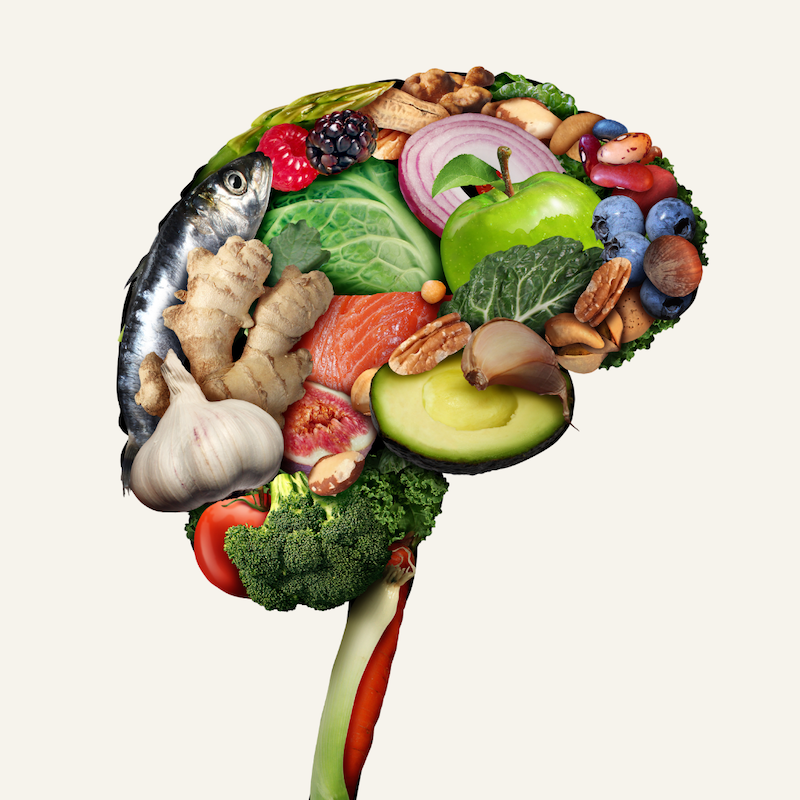
What if the difference between brain fog and razor-sharp focus wasn’t willpower — but what’s on your plate? Your brain is one of the most energy-demanding organs in your body, and it runs entirely on the nutrients you give it. The right foods can help you think faster, remember more and feel better, while the wrong ones can quietly drain your clarity and mood. In this guide, you’ll discover 9 powerful brain foods that support memory, focus and long-term brain health.
Contents:
I have one brain, and I worship it.
I love being creative and learning new skills, both physical and mental, and I want to stay that way for the rest of my life.
For years, I’ve quietly studied older people who are bright, sharp, and still speak with youthful, strong voices well into their nineties. And I’ve noticed certain patterns. They are usually physically active, they eat well, and they do some kind of mental work every day — studying, writing, creating, or making things.
I’ve also read a great deal of literature and many articles on brain anatomy, neurotransmitters, memory training, meditation, and diet. For quite some time now, I’ve followed the guidelines in Dr Lisa Mosconi’s book Brain Food, and I’ve discovered for myself just how much diet affects mood, memory, and mental sharpness.
"Brain Food" is my primary source for this post. Lisa Mosconi is an expert in both neuroscience and nutrition.
Can Diet Help You Stay Mentally Sharp as You Age?
There is growing evidence that a brain-healthy diet and lifestyle can help build new brain cells and strengthen the connections between them, which is excellent news when it comes to warding off cognitive decline and memory loss later in life.
What’s more, having a sharp and active mind can reduce stress, help you recall information more quickly, and make you feel more engaged with life — throughout your life.
Whether you’re 20 or 90, it is never too early or too late to start tending your neural forest and taking simple steps to improve your brain function.
I’ve kept this post focused on the best dietary guidance for recharging and upgrading your brain, mind, and mood, and helping you stay smart, sharp, and at your best throughout your life. Of course, you still need exercise for both brain and body, a satisfying social life, and healthy ways to manage stress — but feeding your brain properly is a vital step towards a long life with a bright mind.
Oh, and at the very bottom of this rant, you’ll find a cheat sheet to make it easier to work these food tips into your daily life.
Why Food Matters for Brain Health
In everyday life, the number one factor you can control when it comes to your mental health and brainpower is what’s at the end of your fork. Food is medicine and, quite literally, brain fuel.
How Diet Shaped the Human Brain
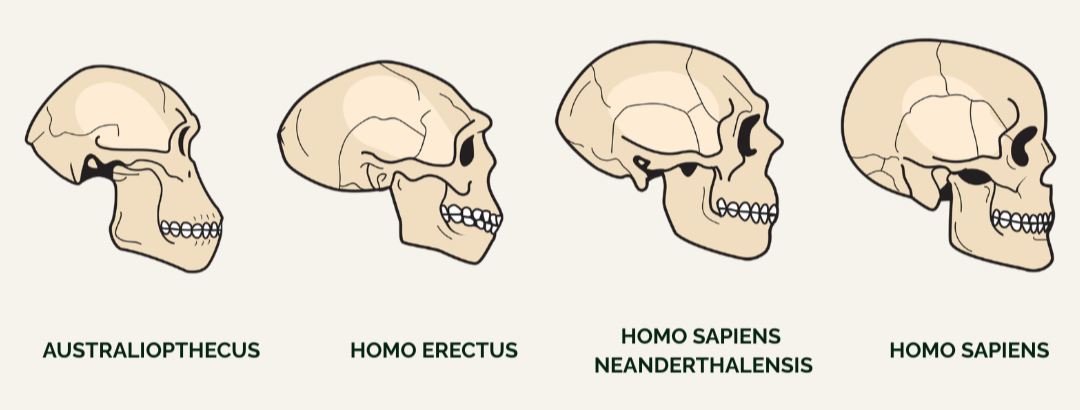
The reason diet is so important to our mental wellbeing lies in how the human brain evolved so differently from that of other mammals.
Humans have an enormous brain for an animal of our size.
Much of that difference reflects the expansion of the parts of the human brain responsible for sophisticated cognitive functions such as language, self-awareness, and problem-solving. These are the same abilities that gave rise to tool-making, symbolic thought, and social organisation — all the talents that make us human, while also allowing us to take better care of ourselves.
What Early Humans Ate Before Bigger Brains Evolved
In the beginning, there was nothing special about humans.
The first two-thirds of human history, the size of our ancestors' brains, was within the range of some apes living today – about 400 – 500 cc. At this stage, early humans consumed a diet similar to that of the modern ape.
Grasses, seeds and sedges, fruits, roots bulbs, tubers – even tree bark were the most likely sources of nutrition for our ancestors. Their massive jaws, robust faces, and large molars lent themselves to the slow, thorough chewing necessary to assimilate these foods.
How Energy-Rich Foods Fuelled Brain Growth
Homo erectus would never have appeared 1.8 million years ago with a striking 1,000 cc brain if our ancestors had remained content with a low-calorie diet of stems and flowers.
Because the brain uses more energy than any other human organ, accounting for up to 20 per cent of the body’s total energy use, Homo erectus needed large amounts of energy-rich food, such as animal protein, to meet those demands.
Palaeontologists have been able to reconstruct the evolution of our ancestors’ diet with remarkable accuracy and detail.
It may come as a surprise that, although meat was likely a highly valued food, it was also rare and dangerous to obtain.
More often, Mr and Mrs Erectus probably engaged in what is known as “confrontational scavenging” — allowing other animals to make the kill, then driving them away and taking the carcass.
But early humans also lived close to water, as fresh drinking water is the single most important resource for the human body. Throughout history, we have done our best to build civilisation within easy reach of water, partly because rivers and lakes attract other animals too — and provide food of their own.
With its extensive river systems and lush vegetation, the East African Rift Valley may well have been the exceptional ecological niche that drove the brain’s expansion by providing energy-dense “brain food”. These lands offered shallow-water aquatic species such as snails, crabs, molluscs, sea urchins, small fish, fish roe, amphibians, and reptiles. If the day’s catch failed, there were always insects, worms, or seasonal birds’ eggs. On top of that, these areas had an almost endless abundance of plants, fruits, vegetables, weeds, and even early carbohydrates such as oats and wild wheat.
What made this habitat especially suitable for brain development was that these foods required little skill to gather and eat. That favoured the abilities of a smaller brain while still supplying the ideal nutrients needed to promote brain growth: omega-3, protein, vitamins, minerals, brain-friendly sugars, and, last but not least, choline. Choline is a substance the brain uses to form memories and learn from experience.
About 65 per cent of the diet came from plant gathering, and 35 per cent from hunting.
Little by little, as the brain grew larger, humans grew taller. At the same time, hand-eye coordination improved, and planning skills became more sophisticated.
Why Cooking Changed Human Brain Development
The next major leap in brain development accelerated significantly over the last 500,000 years, giving both Homo sapiensand Neanderthals brains roughly the same size as our own today (1,300–1,500 cc).
That may well have happened as a result of improved food preparation.
Pounding and heating food makes nutrients easier to digest and absorb. Cooking produces soft, energy-rich food, which means less time spent chewing and digesting while preserving calorie content — leaving more time and energy for other activities, such as growing bigger brains.
With more animal food and better culinary skills, Homo sapiens’ teeth, jaws, and gut gradually became smaller while the head became larger. As a result, our gastrointestinal tract has a larger stomach and a shorter colon than that of purely herbivorous animals, though not as short as that of carnivores, which allows humans to extract plenty of nutrients from both animal and plant foods.
How Modern Life Are Harming Brain Health
Every day now, you can read about the worldwide rise in dementia, Parkinson’s disease, multiple sclerosis, depression, autism, ADHD, and other neurological and mental health disorders.
The number of people living with Alzheimer’s in the US in 2019 was estimated at 5.8 million, and that figure is predicted to reach 15 million by 2050.
Alzheimer’s is one of the few neurological diseases for which scientists broadly agree that diet influences its development, and that the disease progresses gradually in the brain over 20 to 40 years before clinical symptoms appear. In other words, cognitive impairment is not simply a consequence of old age, but rather the end result of years of accumulated damage to the brain.
How Processed Food Affects Brain Function
Our ancestors mainly ate vegetables, fruit, nuts, and seeds, whereas many people in the industrialised world today barely touch these foods. And when they do, it is rarely in their natural state, but canned, frozen, juiced, or otherwise chemically processed — and usually eaten as a side dish or snack rather than the main event.
Where carbohydrates once came from fresh, seasonal fruit and vegetables (and occasionally honey), we now get them from processed grains, cereals, and refined sugar.
Instead of high-quality protein and brain-friendly fats from wild fish and animals, we eat domesticated chickens, cows, and pigs.
Worse still, we have relegated fat consumption to processed baked goods, dairy products, adulterated butter, and vegetable oils such as margarine, grapeseed oil, sunflower oil, corn oil, and canola oil. These fats are often oxidised, can promote inflammation and cellular damage, and tend to contain precisely the wrong balance of unhealthy to healthy fats.
9 Brain Food Rules for Better Memory, Mood and Focus
Research suggests that certain foods can improve overall brain health and may also help with some types of mood disorder.
The human brain needs more than 45 nutrients to perform at its best, divided into six major groups: proteins, carbohydrates, fats, vitamins, minerals, and water.
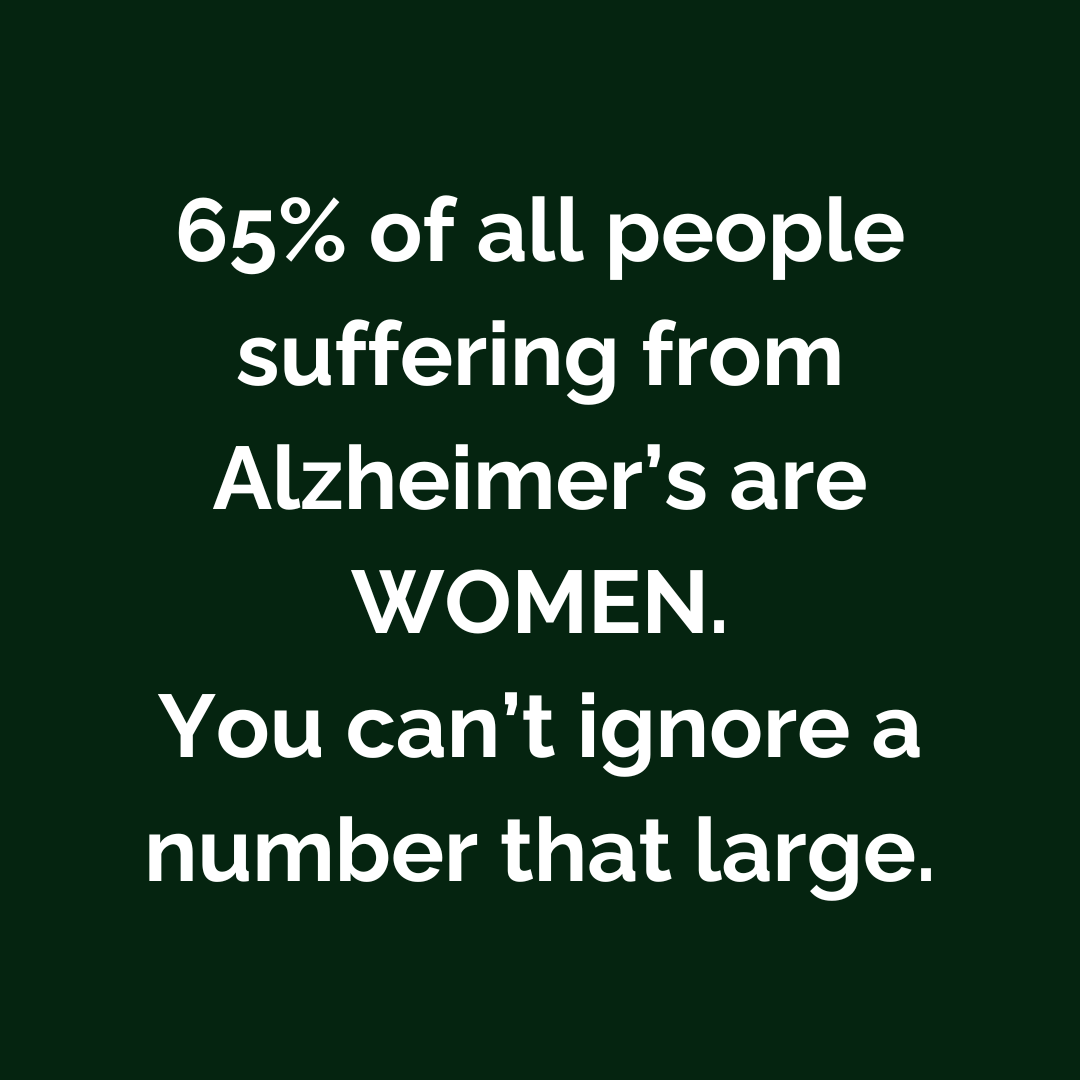
And if you’re a woman, it is worth paying attention to plant oestrogens too, because around 70 % of people with Alzheimer’s are women. More on that in Tip 7.
1. Hydration and Brain Function: Why Water Helps You Think Clearly
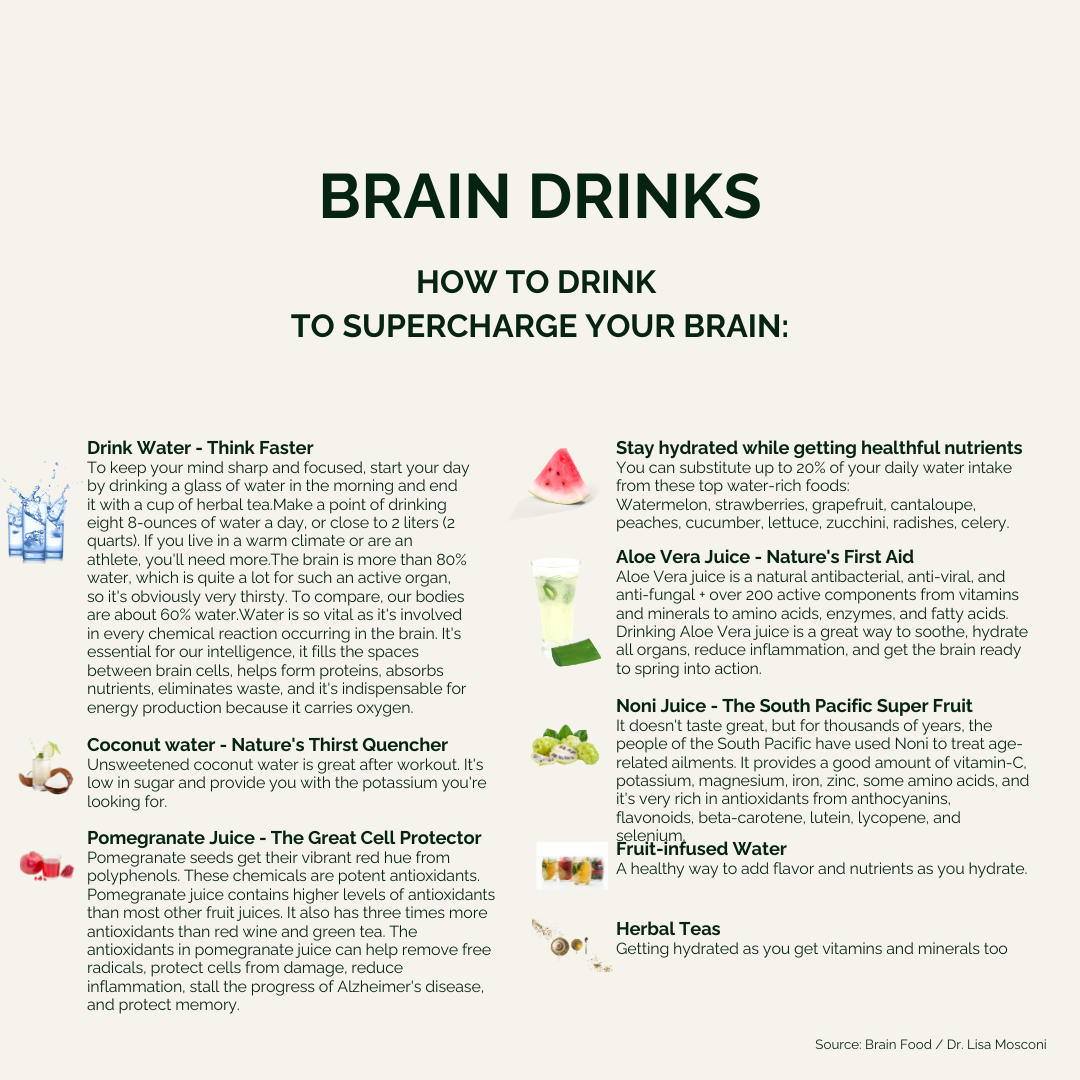
The brain is more than 80 % water, which is a great deal for such an active organ, so naturally it is thirsty. By comparison, the human body is about 60 % water.
Water is vital because it is involved in every chemical reaction taking place in the brain. It is essential for intelligence, fills the spaces between brain cells, helps form proteins, absorbs nutrients, removes waste, and is indispensable for energy production because it carries oxygen.
What’s more, drinking water can improve reaction time and help you think more quickly. Ageing also alters thirst and drinking responses, making older people more vulnerable to fluid imbalances in the brain. Dehydration can accelerate the brain shrinkage associated with ageing and dementia. The good news is that the effects of dehydration can often be reversed within a few days simply by drinking more water.
How to Drink to Supercharge Your Brain
Aim to drink eight 8-ounce glasses of water a day, or roughly 2 litres. If you live in a warm climate or do a lot of exercise, you will need more. To keep your mind sharp and focused, start your day with a glass of water and end it with a cup of herbal tea.
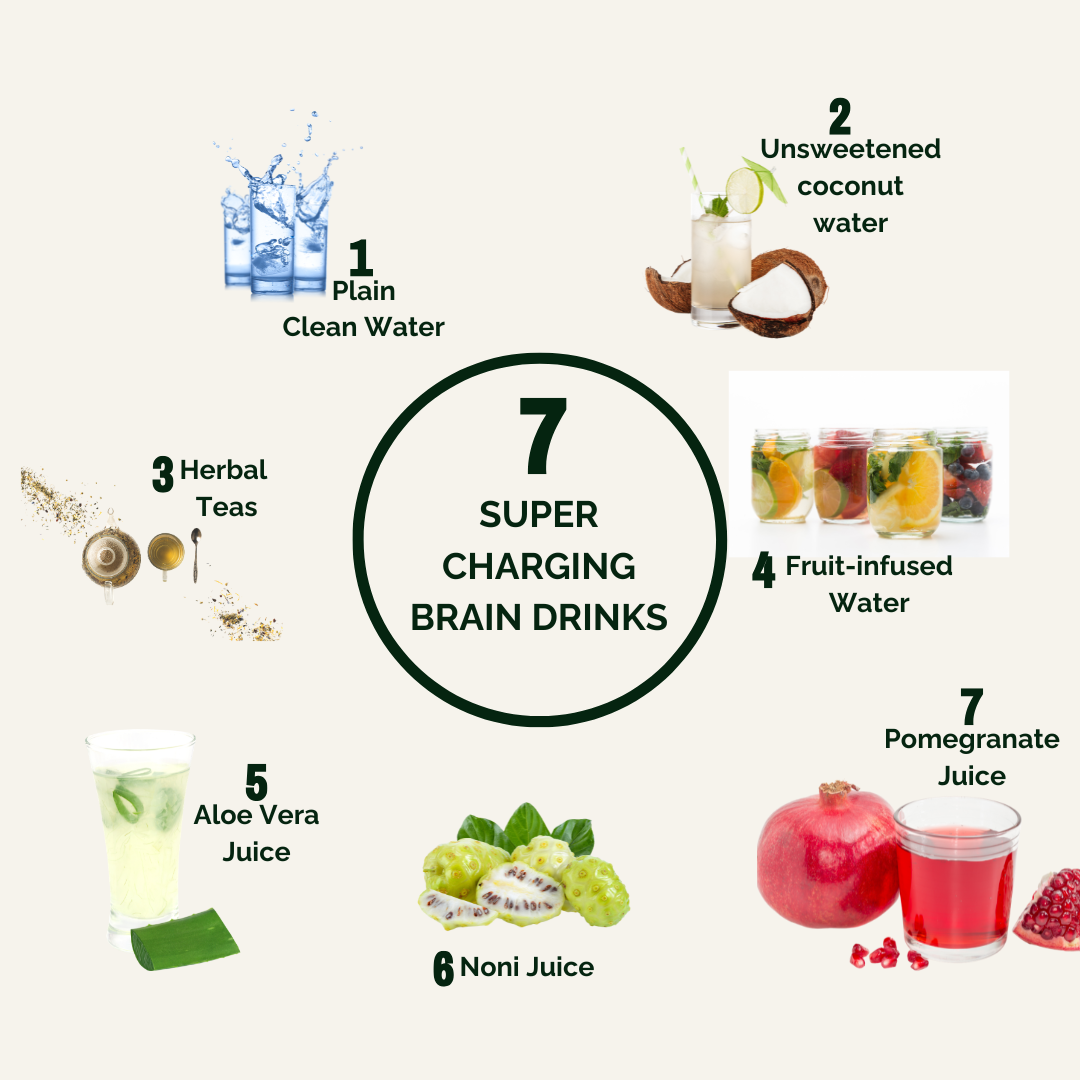
Top 7 brain fluids:
Plain clean water.
Unsweetened coconut water is nature's thirst quencher. Naturally low in sugar and rich in potassium
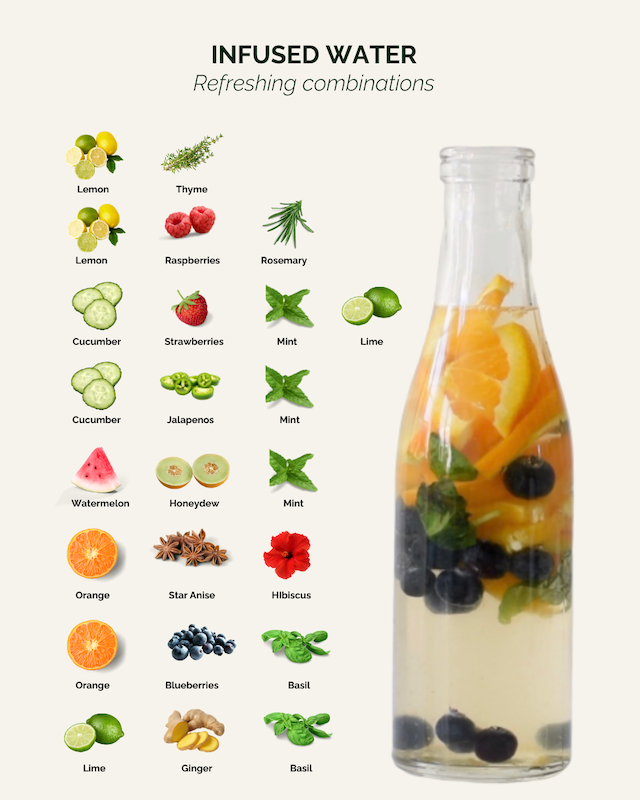
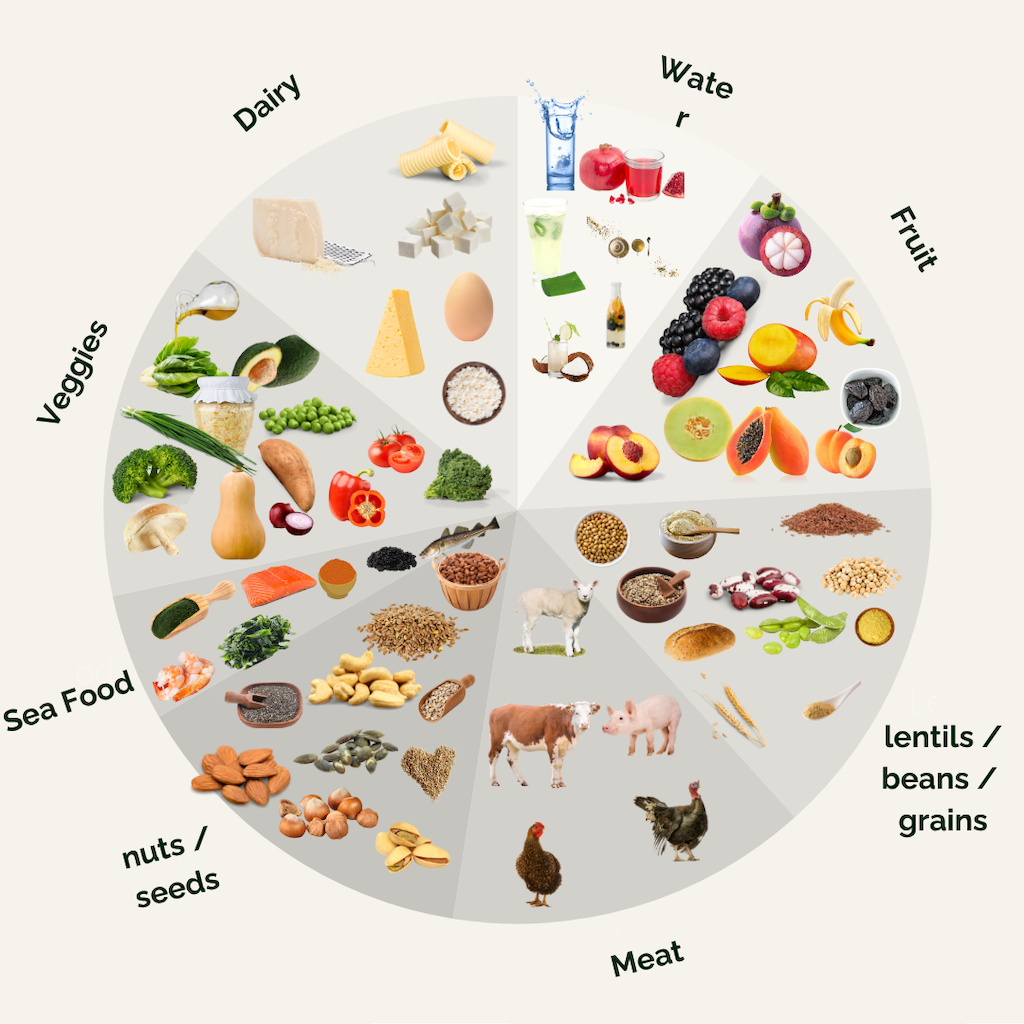
Fruit-infused water = water + nutrients. See graphic 👉🏻
Herbal teas = water + nutrients. My favorite night tea at the moment is nettle or oat straw.
Aloe Vera Juice is a natural antibacterial, anti-viral, and anti-fungal + over 200 active components from vitamins and minerals to amino acids, enzymes, and fatty acids.
Noni juice is rich in antioxidants from anthocyanins and flavonoids to beta-carotene, lutein, lycopene, and selenium. Much needed anti-aging nutrients to prevent cell damage and reduce inflammation.
Pomegranate juice delivers a unique and powerful collection of tannins, anthocyanins, and unsaturated fatty acids.
To help you stay hydrated while getting extra nutrients, up to 20 per cent of your daily water intake can come from water-rich foods such as watermelon, strawberries, grapefruit, cantaloupe, peaches, cucumber, lettuce, courgette, radishes, and celery.
2. Healthy Fats for Brain Health: Why Omega-3s Matter
The brain is made up of about 11 per cent fat (not 60 per cent, as many Google searches will tell you).
The fat in the brain is very different from ordinary body fat.
The body stores fat because it is the most concentrated source of energy, so it makes sense to keep some reserves for times of famine. The brain, on the other hand, contains no storage fat at all.
Brain fat is structural fat, not energy fat, but it is just as essential to life as stored fat is for fuelling the body. The brain uses fat to build and protect cells.
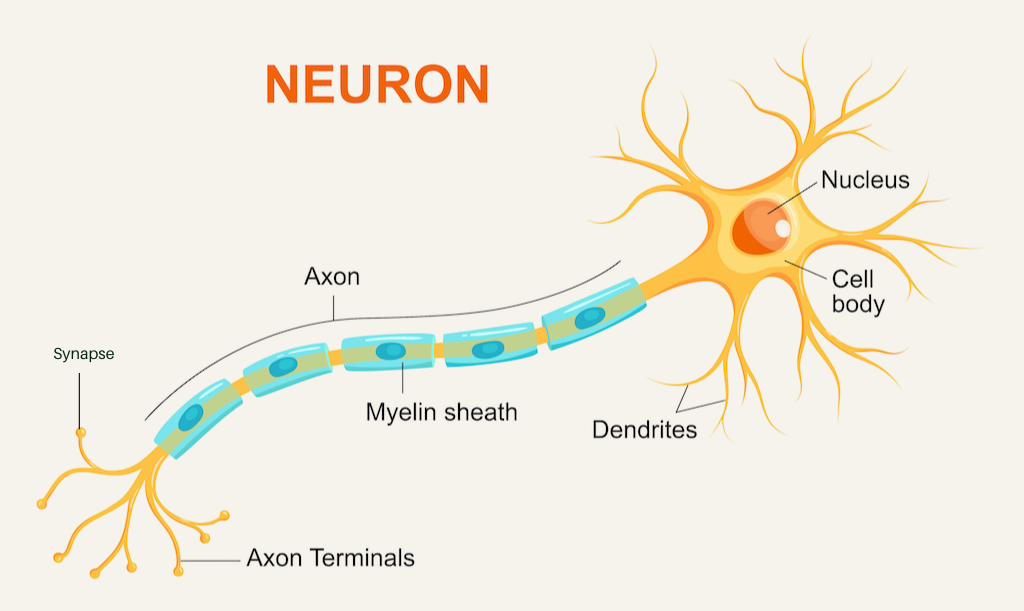
Brain cells are wrapped in a fatty sheath called myelin, which insulates the electrical impulses travelling to and from the brain. Delicate fatty membranes also surround the neurons, protecting them from outside harm and allowing signals and nutrients to move in and out of the cell. These membranes are made from fats such as omega-3s and phospholipids.
The only fats we need to feed the brain are the building blocks that support its structural health — namely PUFAs, or polyunsaturated fats. These fats are crucial to brain health, and the brain uses them as soon as they arrive.
The Best PUFA's for Brain Health are the Omega-3s And Omega-6s
Omega-6 helps mount an inflammatory response in the event of a wound or infection. Omega-3 helps switch that response off once the danger has passed. The balance between these two fatty acids is crucial for proper neuron communication and for maintaining a healthy immune system. If that balance is disrupted, it can lead to sustained inflammation and, over time, a reduced ability to fight off disease.
The omega-6 to omega-3 balance depends directly on your food choices.
Anthropological research suggests that our hunter-gatherer ancestors consumed omega-6 and omega-3 fats in a ratio of about 1:1.
However, since the Industrial Revolution around 140 years ago, omega-6 consumption has risen sharply at the expense of omega-3. This change was due both to the emergence of the modern vegetable oil industry and to the increased use of cereal grains as feed for livestock, which altered the fatty acid profile of the meat humans consumed.
Some estimates suggest that Americans now consume 20 to 30 times more omega-6 than omega-3. In reality, you need only a small amount of omega-6 — a few drops of grapeseed oil or a small handful of peanuts would cover a day’s needs.
Omega-6 rich foods to reduce:
Grapeseed oil
Sunflower oil
Canola oil
Wheatgerm oil
Corn oil
Soybean oil
Sesame oil
Mayonnaise
Peanut oil
How to Get the Right Omega-6 and Omega-3 Balance
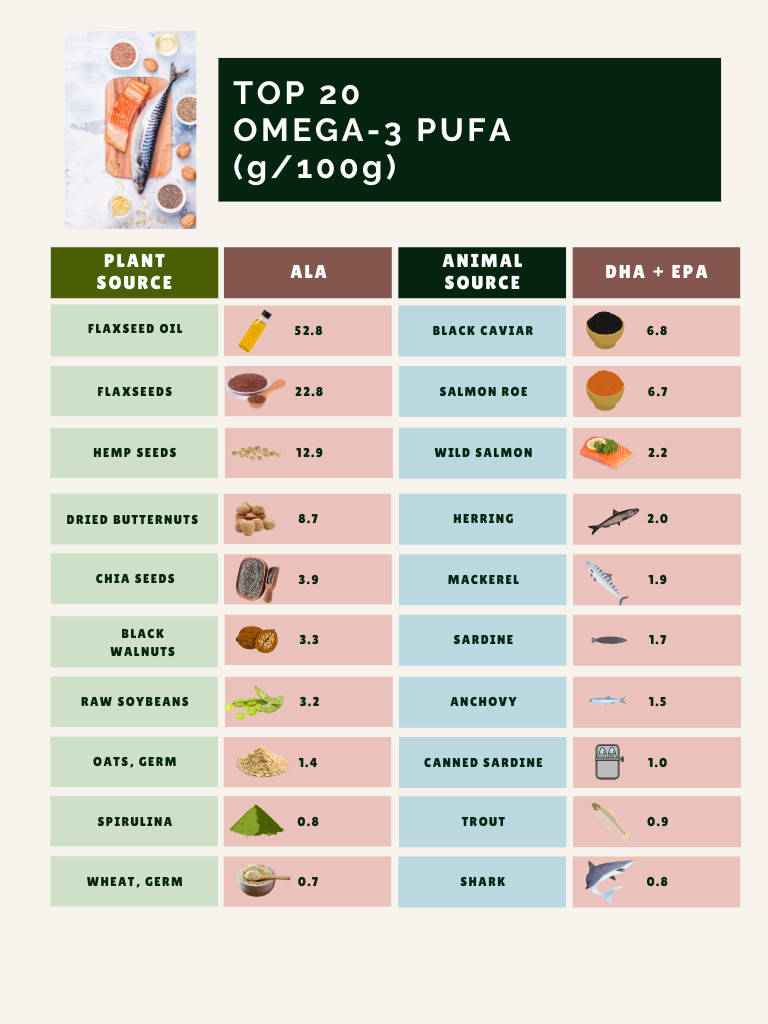
Research suggests that a 2:1 ratio is a good target — roughly twice as much omega-6 as omega-3. You can find these fats in plant and marine oils, especially in oily fish such as salmon, as well as algae, nuts, and seeds.
Omega-3 rich foods:
There are three major forms of omega-3 worth knowing about: ALA, EPA, and DHA.
DHA:
DHA (docosahexaenoic acid) is vital for brain function and development, especially in childhood, and makes up 97 per cent of the omega-3 fats found in the brain and 25 per cent of the brain’s total fat content.
Having adequate DHA levels makes communication between nerve cells easier and more efficient.
DHA deficiency early in life has been associated with later problems such as learning difficulties, ADHD, and aggression.
DHA is one of the most important nutrients in the fight against age-related cognitive decline, dementia, and Alzheimer’s.
It may also help protect against depression.
EPA:
EPA (eicosapentaenoic acid) is the most important omega-3 fatty acid for reducing cellular inflammation.
It also helps the body during strenuous exercise and plays an important role in promoting positive emotion and good mood.
ALA:
ALA (alpha-linolenic acid) is the most common omega-3 fatty acid in the diet. The catch is that the body must convert it into DHA and EPA in order to use it properly, and as much as 75 per cent may be lost in the process.
The body either stores the ALA it does not convert or uses it for energy.
In general, ALA comes mainly from plants, whereas EPA and DHA are found primarily in animal foods such as oily fish and caviar.
A Word on Saturated Fats
Saturated fats are solid at room temperature and are found in animal fat, milk, cheese, butter, and tropical oils such as coconut and palm oil.
The brain mainly needs dietary saturated fat while it is growing new brain cells, which is from infancy through adolescence. After that, the brain largely shuts its “saturated fat gates”. With a few exceptions, very little saturated fat enters. Those exceptions include butyric acid in whole milk and myristic acid in coconut oil.
The brain can make as much saturated fat as it needs locally, and so it does not require much from the diet.Saturated fats are solid at room temperature and are found in animal fat, milk, cheese, butter, and tropical oils such as coconut and palm oil.
The brain mainly needs dietary saturated fat while it is growing new brain cells, which is from infancy through adolescence. After that, the brain largely shuts its “saturated fat gates”. With a few exceptions, very little saturated fat enters. Those exceptions include butyric acid in whole milk and myristic acid in coconut oil.
The brain can make as much saturated fat as it needs locally, and so it does not require much from the diet.
You can learn more about fats in my post about the Keto diet.
3. Protein and Brain Chemistry: How Food Builds Neurotransmitters
The main source of the substances that create our neurotransmitters is food.
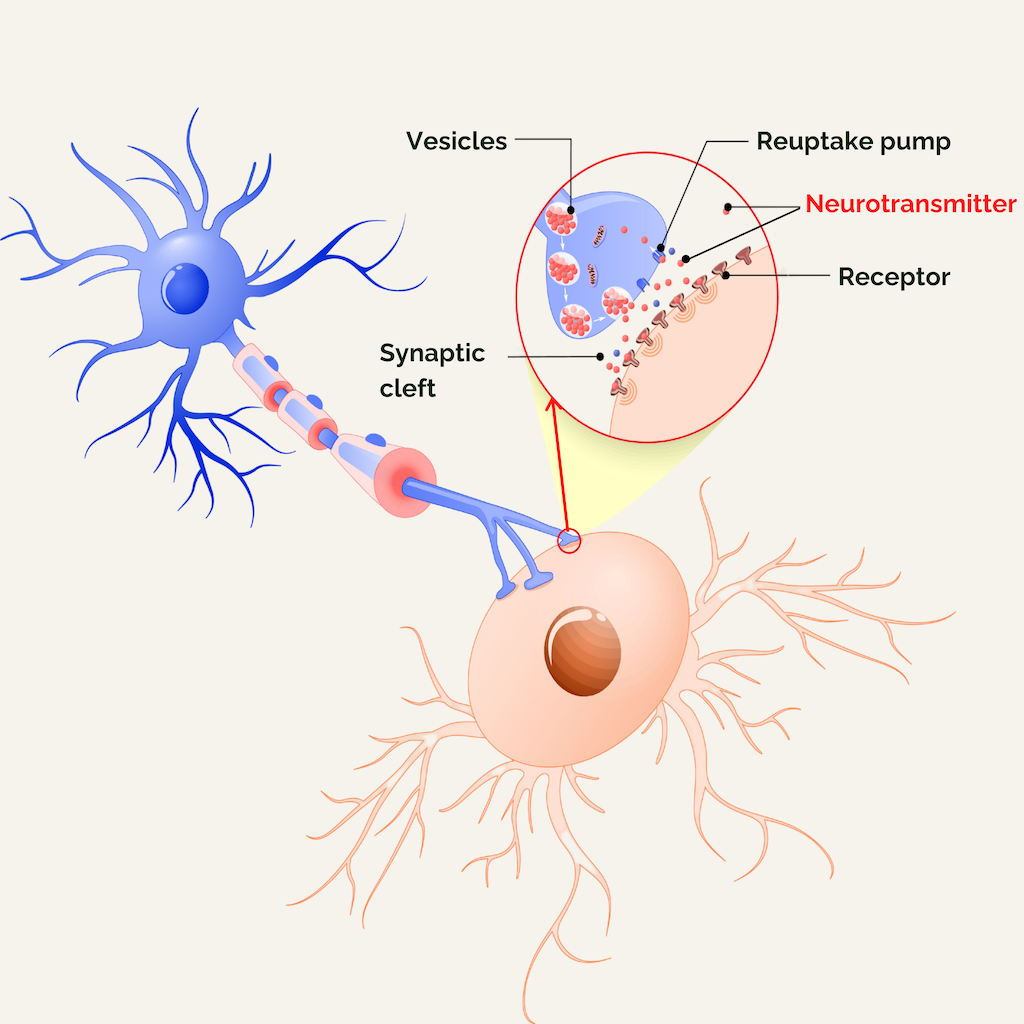
There are around 86 billion neurons in the brain, and they communicate mainly by passing chemical signalling substances known as neurotransmitters.
Neurotransmitters influence how you think, speak, eat, dream, and remember. They drive the impulses that wake you up, make you sleepy, keep you focused, and even cause you to change your mind.
They are not simply sitting there waiting for their next task. The body produces them when needed, they do their job, and then they disappear once their mission is complete.
This sophisticated process depends heavily on nutrients extracted from the foods we eat every day.
Proteins are complex molecules that do most of the work in our cells, and we need them for the structure, function, and regulation of the brain’s networks. They are made up of smaller units called amino acids.
Amino acids are essential for almost every function that takes place in the body and brain, and many of them act as neurotransmitters or neurotransmitter precursors.
Serotonin - I Matter
Serotonin and Mood: Foods That Help You Feel Balanced
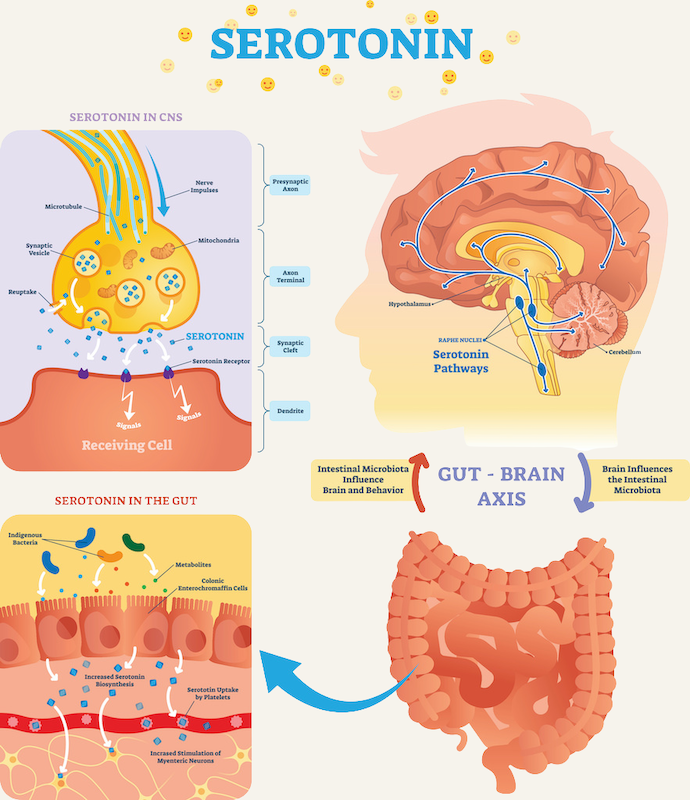
Serotonin is the neurotransmitter associated with feeling content, satisfied, and optimistic. When we have enough serotonin, we tend to be creative, focused, aware, and better able to make balanced decisions. It also plays a role in appetite, sexual drive, self-confidence, body temperature, sleep, sound sensitivity, and light sensitivity.
When the brain produces too little serotonin, happy signals become less frequent and shorter-lived, which can contribute to depression, anxiety, and disturbances in sleep and eating.
Serotonin itself cannot cross the blood-brain barrier, so the brain relies on the amino acid L-tryptophan to produce it. That means we need to get tryptophan from food.
According to current dietary guidelines, the average adult needs 5 mg of tryptophan per kilogram of body weight. So, if you weigh 79 kg, you would need around 395 mg of tryptophan per day.
There is a catch, though: tryptophan tends to take a back seat to other amino acids when it comes to absorption by the brain, which means that less than 10 per cent of the tryptophan we consume is used to make serotonin. According to Lisa Mosconi, plant-based sources are among the most useful natural sources of tryptophan.
You also need vitamin B6 to convert tryptophan into serotonin, and chronic stress can deplete vitamin B6 levels. More about this "brain vitamin" below).
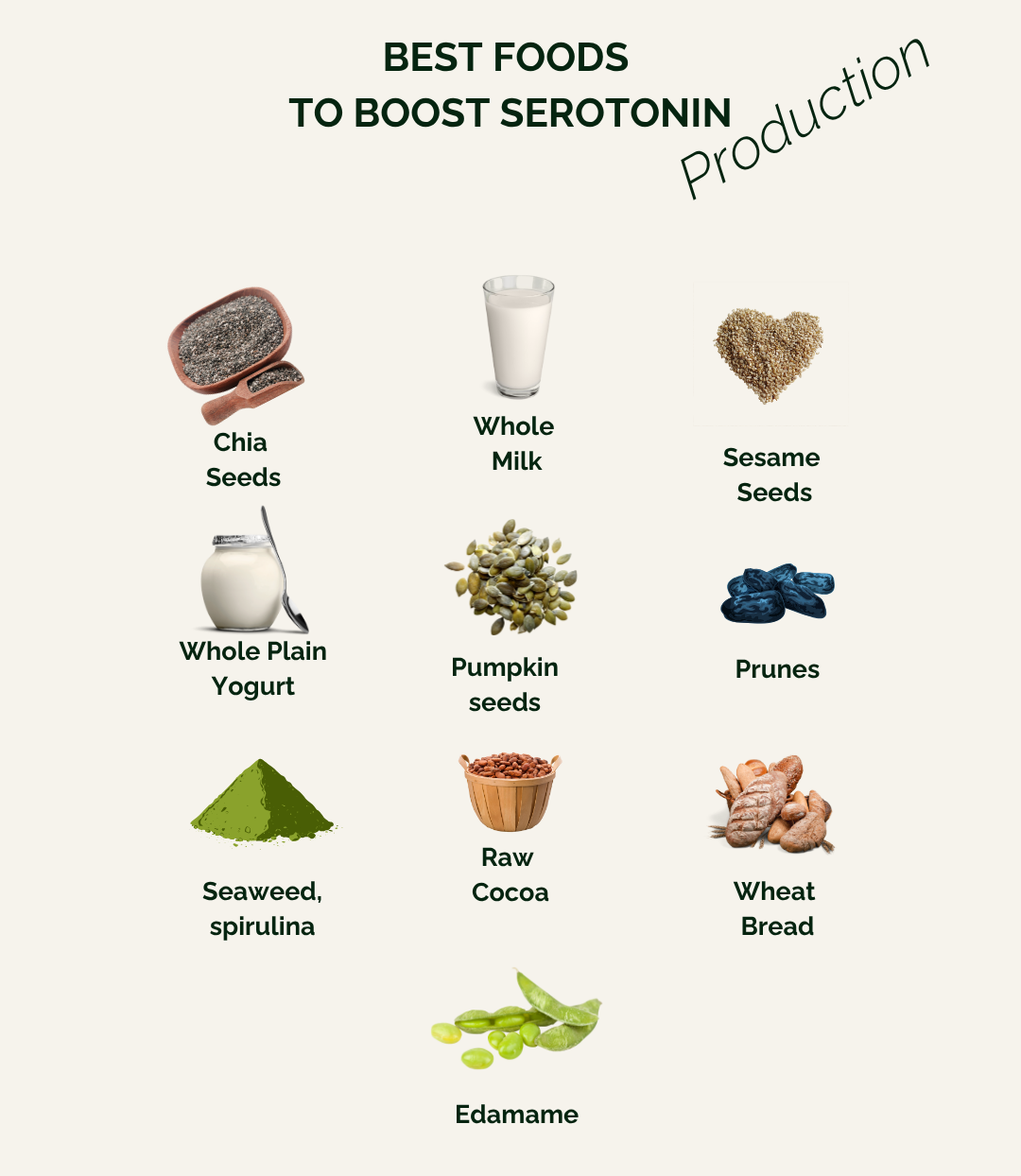
These ten foods are among the best sources of tryptophan for serotonin production:
1.Chia seeds
2.Sesame seeds
3. Whole plain yogurt
4. Pumpkin seeds
5. Prunes
These foods are also excellent sources:
Eggs (cage-free)
Wild-caught fish like cod and salmon
Poultry (pasture-raised)
Organic raw cottage cheese or cheeses
Cashews and walnuts
Beef or Lamb (grass-fed)
Oats (100 percent whole grain)
Brown rice, corn or quinoa
Beans/legumes, including chickpeas and green peas
Potatoes
Bananas
Dopamine - I Can Do It
Dopamine and Motivation: Nutrients That Drive Focus and Energy
Dopamine is the feeling of anticipation you get when a reward is in sight. It makes us desire, strive, search, pursue, and seek. It increases motivation, curiosity, appetite, and perseverance. It is the engine that drives us to look for information.
Without dopamine, we would have no motivation at all. It also affects movement.
Dopamine abnormalities are involved in a number of medical conditions, including Parkinson’s disease, ADHD, schizophrenia, and addiction.
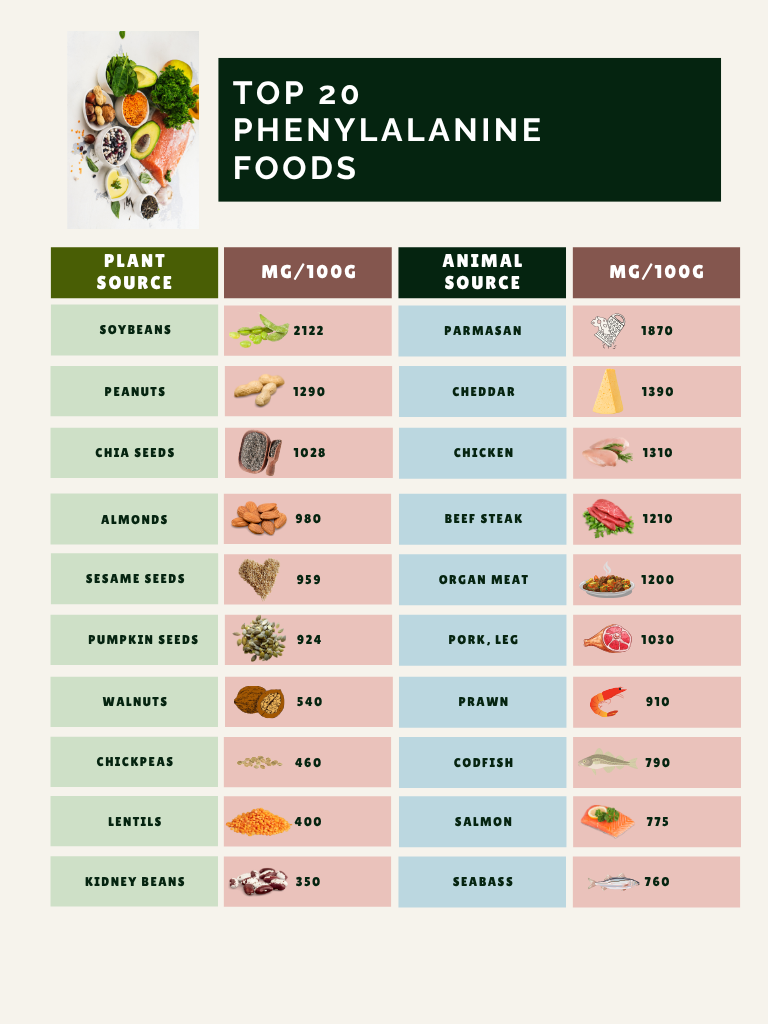
The brain can make dopamine by breaking down the amino acid tyrosine. The body can produce tyrosine, but it needs another amino acid, phenylalanine, to do so — and phenylalanine must come from the diet.
The recommended daily intake of phenylalanine and tyrosine together is 33 mg per kilogram of body weight. For a 79 kg adult, that works out at around 2.6 grams per day.
Gut microbes also influence how we digest and metabolise the precursors of serotonin and dopamine. More on that in Tip 6 👇🏻
Glutamate - Your Go Or Stop Button
Glutamate and GABA: How the Brain Balances Action and Calm
Glutamate is both an amino acid and the most abundant neurotransmitter in the brain and central nervous system.
It is your main excitatory neurotransmitter. Excitatory neurotransmitters increase the likelihood that a nerve impulse will fire — in other words, they help you initiate action.
Of all the neurotransmitters, glutamate is often considered one of the most important for healthy brain function. It supports neuroplasticity — the brain’s ability to adapt and grow — and helps you learn, remember, and perform other cognitive functions. It is also critical for human brain development, which is why human breast milk contains high concentrations of it.

You cannot really talk about glutamate without also mentioning GABA (gamma-aminobutyric acid), another major neurotransmitter.
GABA is the brain’s primary inhibitory neurotransmitter. Inhibitory neurotransmitters decrease the likelihood that a nerve impulse will fire.
Glutamate and GABA are closely related in both form and function. Together, they create a homeostatic balance in brain activity. GABA typically calms brain activity, helping you relax.
When GABA is low, the mind can get stuck in the “on” position, leaving you anxious, overstimulated, and overwhelmed.
Just as the accelerator and brakes in a car work together to control speed, glutamate and GABA work together to regulate brain activity. Your ability to begin an action, stop yourself from doing something, and form long-term memories all depends in part on glutamate.
Glutamate is a non-essential amino acid, which means the brain can make it on its own. However, it does need glucose in order to do so.
4. Smart Carbohydrates for Brain Energy and Mental Clarity
Glucose - Sugar But Not Sugar
While the body can use both fat and sugar for energy, the brain relies primarily on glucose.
There is a constant 24/7 flow of glucose into the brain. Because the brain’s workload is so intense, glucose is used at a rapid rate and has no time to build up in tissues.
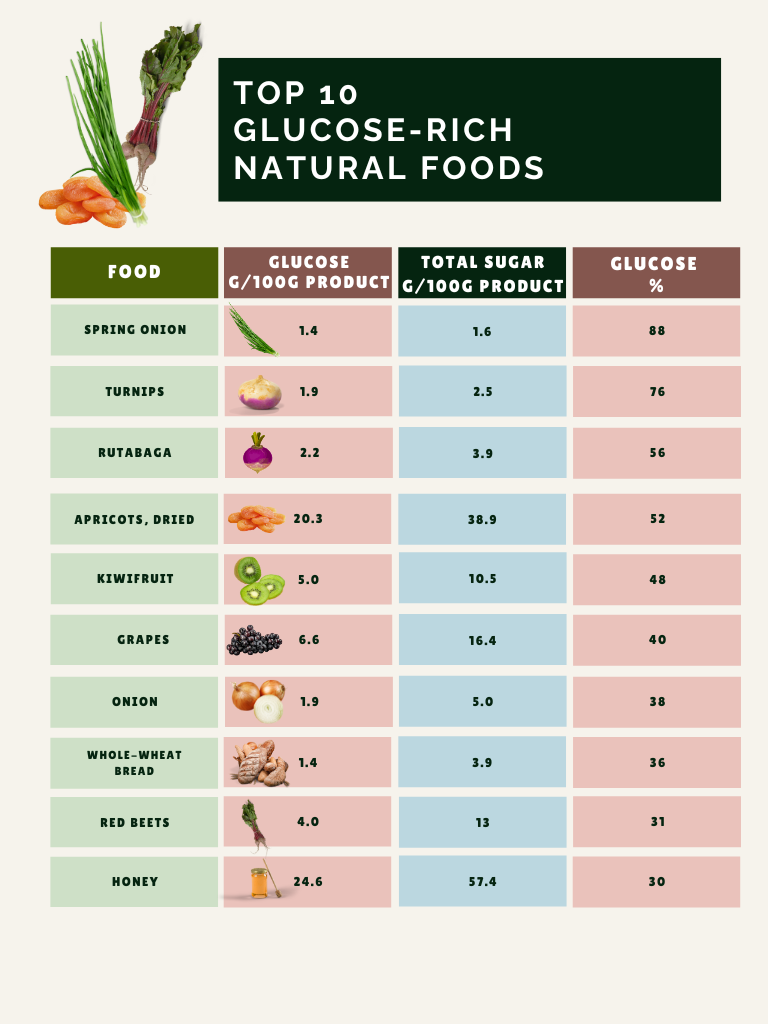
Any glucose the brain does not use immediately is converted into glycogen, an energy reserve that can keep you going between meals. That reserve lasts for about a day.
The brain runs best on pure glucose, but it can also convert other sugars such as fructose (from fruit and honey) and lactose (from dairy) into glucose when needed. And when carbohydrate intake drops below 50 grams per day, the brain turns to the liver, which starts breaking down body fat into ketone bodies as a back-up fuel.
Your brain needs around 62 grams of pure glucose over 24 hours. Some people need slightly more, some slightly less, but it does need to be glucose.
Glucose comes from carbohydrates. But, as we know, there are good carbs and bad carbs. The brain has a sweet tooth, but it does not want sweets.
Three tablespoons of raw honey will give your brain all the glucose it needs for the day. By comparison, you would need to eat an absurd amount of chocolate chip biscuits to get the same result.
Eating too much sugar — especially refined white sugar — regularly affects the hippocampus, a key memory centre, and can lead to inflammation and increased free-radical production, making it much harder to remember things. Chronically high blood sugar levels also contribute to inflammation, insulin resistance, metabolic disorders, and type 2 diabetes, all of which raise the risk of dementia.
From a brain-health perspective, the worst carbohydrates are those that are rapidly turned into sugar and contain very little fibre.
Focus instead on low-glycaemic, high-fibre foods as your main carbohydrate sources, and keep high-glycaemic foods to small amounts and occasional treats.
Complex carbohydrates and starches contain more fibre and are harder for the body to break down, which means a slower release of sugar into the bloodstream.
Sweet potatoes, fibre-rich fruits such as berries and grapefruit, and vegetables such as pumpkin, butternut squash, and carrots are all excellent lower-glycaemic foods. Legumes and whole grains are also good choices, providing a steadier supply of sugar while delivering brain-essential glucose.
5. Essential Vitamins and Minerals for Brain Health
Vitamins play an essential role in the brain’s activity, growth, and vitality.
Some of the vitamins the brain depends on are water-soluble, which means the body does not store them. You therefore need to get them from food every day.
Water-soluble brain-essential nutrients include vitamin C, vitamin B12, vitamin B6, vitamin B9, and choline.
Vitamin B6, B9 and B12: Key Nutrients for Memory and Focus
Vitamin B6
The brain would not be able to produce neurotransmitters such as serotonin, dopamine, or GABA without vitamin B6, so this is one nutrient worth keeping front and centre in your daily diet. Fortunately, B6 is widely available in natural foods, so it is usually quite easy to meet your needs.
However, the body also uses vitamin B6 to make the stress hormones epinephrine and norepinephrine. So when you are stressed, less B6 is available for other important functions. In those situations, supplementation may sometimes be helpful.
Foods rich in B6 include turkey breast, grass-fed beef, pistachios, tuna, pinto beans, avocado, chicken breast, blackstrap molasses, sunflower seeds, and sesame seeds.
Vitamin-B9
Folate, the natural form of vitamin B9, is needed for making DNA, producing neurotransmitters, supporting cellular detoxification, and ensuring proper development of the nervous system.
Foods rich in B9 include dark leafy greens such as turnip greens, spinach, romaine lettuce, asparagus, Brussels sprouts, and broccoli, along with beans, peanuts, sunflower seeds, fresh fruit, fruit juice, whole grains, liver, and seafood.
Vitamin-B12
Vitamin B12 is one of the most important B vitamins. The body needs it for nerve tissue health, brain function, and the production of red blood cells. You need B12 to form memories, focus, and concentrate.
Low B12 levels have also been linked with depression.
Foods rich in B12 include beef liver, sardines, mackerel, lamb, wild-caught salmon, nutritional yeast, feta, grass-fed beef, cottage cheese, and eggs.
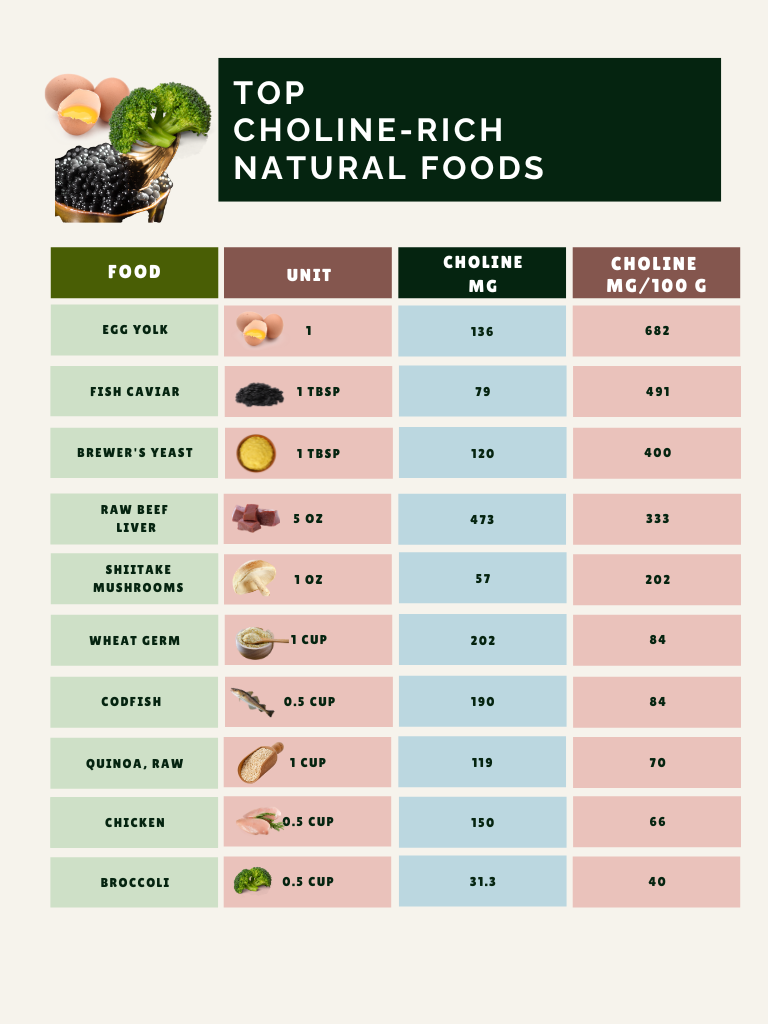
Choline - The Super Brain Vitamin
Choline and Brain Function: The Nutrient for Learning and Memory
Choline is neither a vitamin nor a mineral, though it is often grouped with the B vitamins because of its similarities.
It plays a role in healthy brain development, muscle movement, the nervous system, metabolism, and liver function.
The brain depends on choline to make acetylcholine, one of its main neurotransmitters. Acetylcholine is essential for memory, learning, alertness, and reward.
People with Alzheimer’s disease have lower levels of choline acetyltransferase (ChAT), the enzyme that converts choline into acetylcholine in the brain.
Clinical studies suggest that choline intake during pregnancy is important for a child’s lifelong cognitive development. Higher maternal choline intake during the first and second trimesters has been linked with better visual memory performance in children at age seven.
In a Swedish study of 324 adolescents, those with the highest plasma choline levels achieved better school grades than those with lower levels. Other studies suggest that adequate choline early in life may help protect against memory decline later on.
How much choline you need daily:
Your body makes about 10 per cent of the choline it needs, so the remaining 90 per cent must come from the diet.
There is not yet enough evidence to establish a formal recommended daily intake, but the Institute of Medicine has set adequate intake levels.
Adult women need at least 425 mg a day, while men need about 550 mg a day.
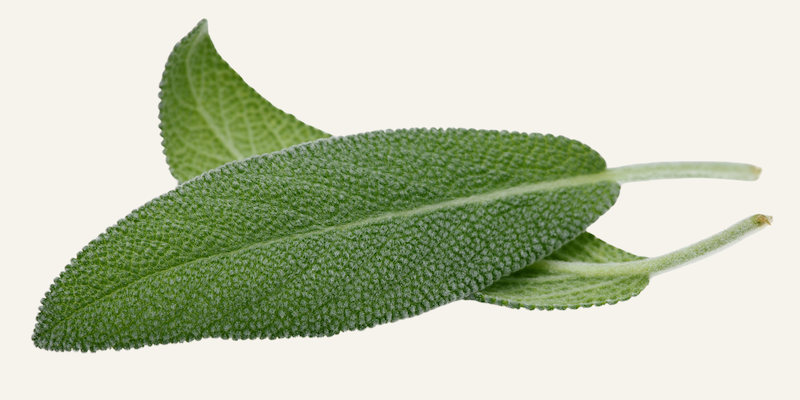
Sage. Various species of sage may help prevent the breakdown of acetylcholine and support cognitive function Sage may also affect neurotrophins such as brain-derived neurotrophic factor (BDNF), which is important for keeping neurons healthy and encouraging new neural connections. Sage is a lovely culinary herb — especially with chicken or stuffing — but you can also drink it as a tea or add it to a smoothie or vegetable juice. (source)
Vitamin A & E
Both vitamin A and vitamin E have antioxidant functions that help protect brain cells and tissues from toxins, free radicals, and pollution.
Vitamin E also increases the delivery and absorption of oxygen into brain tissue, which is essential for optimal function and metabolism.
These vitamins are fat-soluble, which means the body can store them in fat and other tissues, so they do not need to be replenished every single day in the same way as water-soluble vitamins.
Foods rich in vitamin A include butternut squash, sweet potato, kale, carrots, spinach, dried apricots, broccoli, butter, egg yolks, cod liver oil, red peppers, mango, mangosteen, tomatoes, cantaloupe, green peas, papaya, and peaches.
Foods rich in vitamin E include olive oil, sunflower seeds, almonds, hazelnuts, red peppers, spinach, avocados, turnip greens, butternut squash, pine nuts, mangoes, sweet potatoes, and tomatoes.
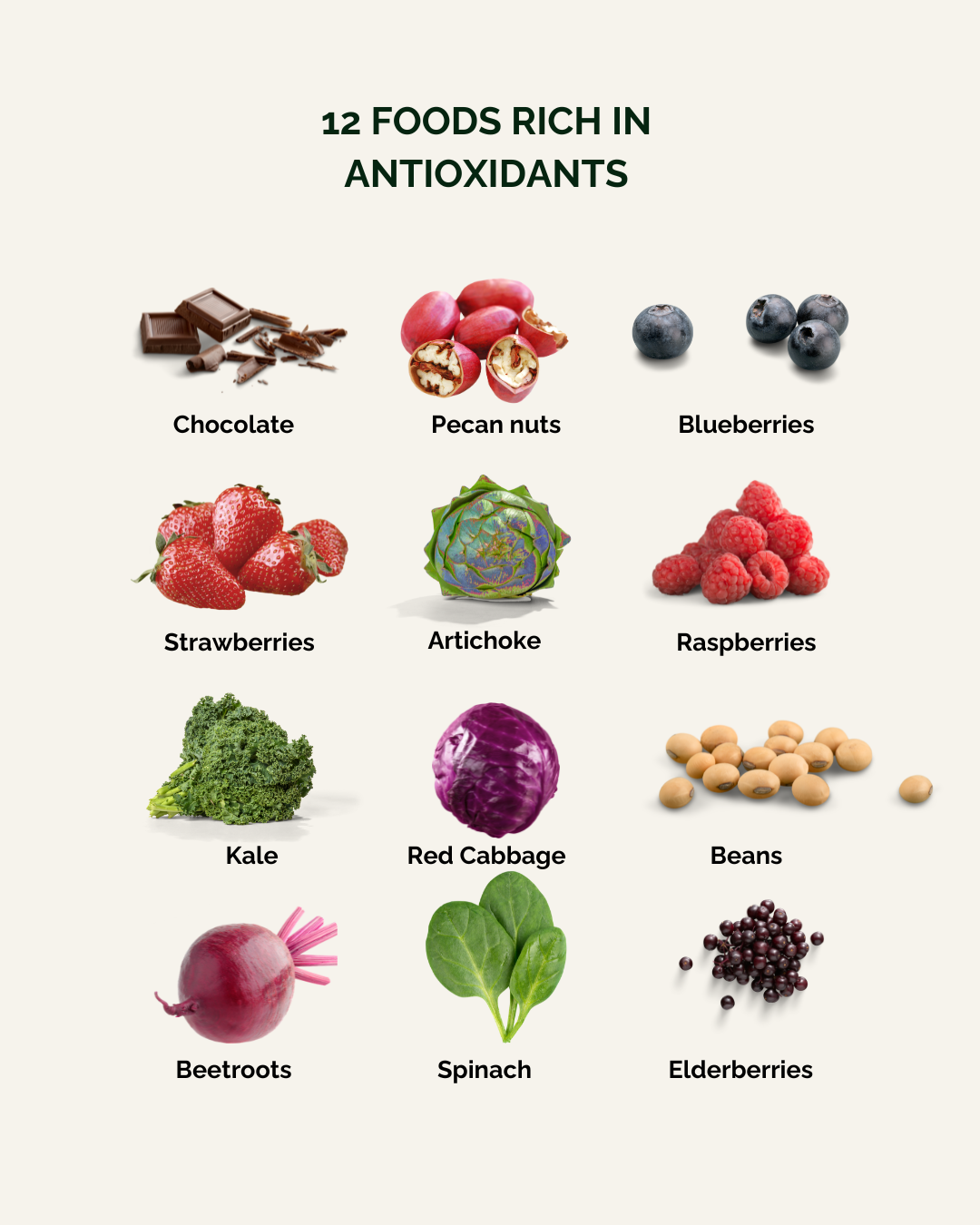
Antioxidants and Brain Protection: Fighting Oxidative Stress
Oxidation is the natural wear-and-tear process that occurs when cells metabolise oxygen. An apple turning brown, steel rusting, and skin showing sun damage are all examples of oxidation.
Although oxidation is natural and necessary, a small percentage of cells are damaged in the process and become free radicals. Free radicals are unstable molecules that can trigger further instability in surrounding cells.
When too many free radicals build up, they can create a state known as oxidative stress.
In the brain, oxidation happens constantly whenever cells burn glucose and oxygen for energy. Usually, the brain can keep this process under control, but sometimes the amount of oxidation exceeds the brain’s ability to manage it. Of all the organs in the body, the brain may be the most vulnerable to oxidative stress.
The good news is that diet can help support the body’s clean-up system.
The first step is to load up on antioxidants. Aim for a wide variety of deeply coloured fruit and vegetables — especially berries and dark leafy greens.
Magnesium and Mental Clarity: Reducing Brain Fog and Stress
If you often struggle with brain fog, magnesium deficiency may be part of the picture. More than 300 enzymes depend on magnesium for biological reactions essential to tissue and organ function. Magnesium supports cognitive health by helping the brain carry out its many intricate tasks.
Chronic stress depletes magnesium, so reducing stress and increasing magnesium intake can both improve brain health and processing speed.
Magnesium is also important in age-related memory decline. Studies suggest that low brain magnesium levels are linked with poorer memory function.
6. Gut Health and Brain Function: The Gut-Brain Connection
Probiotics - Natures Mood Stabilizers
Recent studies suggest that changes in gut microbes may influence the risk of disorders such as schizophrenia, autism, anxiety, depression, and dementia..
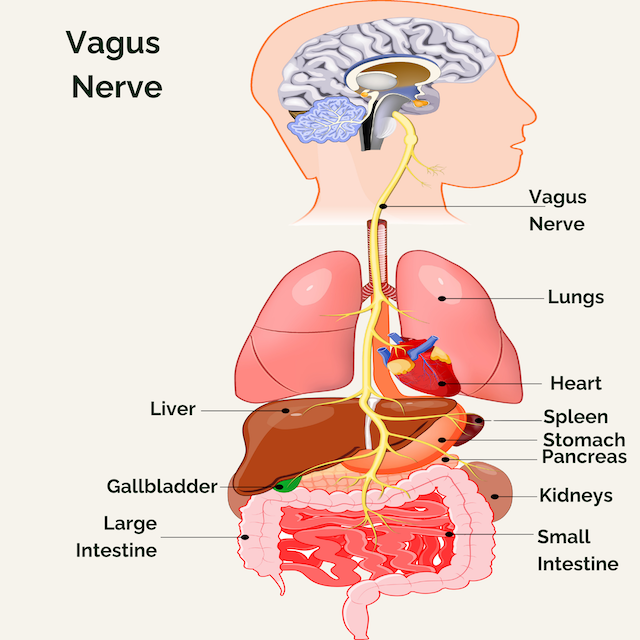
Gut microbes affect how we digest and metabolise the precursors of key neurotransmitters such as serotonin and dopamine. Our gut flora even has a direct line to the brain through the vagus nerve, which has receptors near the gut lining that help monitor digestion.
Microbes in the intestine can release chemical messengers that alter signalling along the vagus nerve — and, as a result, influence brain activity. The gut is a highly dynamic, interactive, densely populated environment, with plenty of opportunity for this two-way communication.
These pathways are not one-way streets, either. Brain activity can also affect the composition of the gut flora.
Stress, for example, can increase inflammation, which then alters the gut microbiome, creating a kind of feedback loop.
In one study, 36 healthy women were divided into three groups. One group drank a cup of probiotic yoghurt twice a day for a month, one group had yoghurt without probiotics, and the third group had no yoghurt at all. The women were then shown upsetting images of people with angry, sad, or frightened facial expressions while undergoing functional MRI scans.
The results suggested that the yoghurt eaters showed a more moderate response to negative emotional stimuli than those who did not eat yoghurt.
So perhaps next time you have the blues, try yoghurt or sauerkraut. Fermented foods such as yogurt, kefir, kombucha, and sauerkraut t are a delicious way to support your gut bacteria, your brain, and your mood.
MORE: Why The Secret to Your Health and Happines Is In Your Micobiome
7. Phytoestrogens and Brain Health: Hormones, Memory and Mood
Listen up, ladies — and men too.
The brain contains a wide range of oestrogen receptors and relies on this hormone to regulate processes such as cognition, memory, anxiety, body temperature, appetite, and sexual behaviour.
During the menopause, oestrogen levels drop sharply, and oestrogen is also a neuroprotective hormone. If a woman is predisposed to Alzheimer’s, that may be the point at which the risk begins to show itself in the brain. Some research suggests that the reduced concentration of oestrogen after the menopause may help explain the higher prevalence and greater severity of Alzheimer’s in women than in men.
However, studies also suggest that memory may benefit across age groups and sexes from eating organic phytoestrogens.
Phytoestrogens are plant compounds that bind to oestrogen receptors. They have only about one-thousandth of the effect of human or synthetic oestrogen, but they may help balance the body’s oestrogen levels and limit the effects of xenoestrogens.
The primary phytoestrogens are lignans and isoflavones. In addition to binding to oestrogen receptors, they may raise levels of sex hormone-binding globulin (SHBG), help reduce aromatase activity, and support the body in eliminating excess oestrogen.
The best phytoestrogens to include in the diet are organic soy foods such as tofu and miso, edamame, crushed flaxseed, sesame, leafy greens, alfalfa, red clover, liquorice root, and legumes.
If you want to read more: The XX Brain by Lisa Mosconi PhD
8. Sunlight and Brain Health: Vitamin D, Serotonin and Beyond
Sunshine is essential and the most natural way to get vitamin D.
Sun exposure may improve brain function. Some studies suggest that sunlight can encourage nerve cell growth in the hippocampus, the part of the brain responsible for forming, organising, and storing memories.
Sun exposure can also help ease mild depression. Moderate sunlight increases the levels of natural antidepressant chemicals in the brain, including serotonin, which may help relieve seasonal affective disorder (SAD) and other forms of low mood.
Vitamin D deficiency has been linked with a higher risk of depression, stroke, dementia, and multiple sclerosis.
Melanin and Brain Protection: The Hidden Role of Sunlight
Melanin is not only the substance that gives us our skin colour — it is also found in the brain, including in the substantia nigra, an area that plays a central role in movement and is involved in conditions such as Parkinson’s disease.
Melanin in the brain is believed to have a protective function, including binding harmful substances and reducing oxidative stress.
Sunlight stimulates the production of melanin in the skin, and although the connection between melanin in the skin and melanin in the brain is still being studied, it suggests that our relationship with sunlight may have deeper biological effects than we immediately realise.
In other words, sunlight is not just “vitamins for the body” — it is also an important part of the environment in which your brain evolved to function.
Vitamin D deficiency may increase the risk of depression, stroke, dementia and multiple sclerosis.
9. What to Avoid for Better Brain Health
Just as it is important to choose a brain-rich, nourishing diet, it is equally important to know which foods and substances to avoid.
Refined Sugar and Brain Function
I have already mentioned how refined sugar can damage memory when eaten in excess, but anything that disrupts gut health can increase permeability, promote inflammation, and raise the risk of brain-related disorders.
Here are some of the main culprits:
Antibiotics and the Microbiome
Antibiotics kill beneficial bacteria as well as harmful ones, so take them only when you are genuinely ill and make a point of rebuilding your gut flora afterwards with probiotics. Also be aware that commercially raised farm animals are routinely given antibiotics, which means you may be exposed through food as well.
Ultra-Processed Foods and Gut Health
Processed foods are often high in unhealthy sugars and emulsifiers. Emulsifiers are additives used to improve texture, but they can harm the microbiome and increase permeability in the gut lining, allowing unwanted bacteria into the bloodstream and contributing to inflammation.
Gluten and Gut Permeability
Gluten can trigger the body to overproduce a protein called zonulin. Zonulin helps regulate the tight junctions between the cells in your digestive tract. These junctions are supposed to prevent undigested food particles and pathogens from slipping through. In excess, however, zonulin may do the opposite and weaken those barriers.
Foods containing gluten include wheat, kamut, rye, and barley. Gluten also turns up in many unexpected places, including sauces, condiments, and processed meats.
Dairy and Inflammation
Cow’s milk contains a protein called casein. Casein is made up of several proteins, including alpha- and beta-caseins. Milk containing both A1 and A2 beta-casein may be more likely to cause digestive discomfort and gut inflammation than milk containing only A2. It may also slow digestion and affect cognitive function.
Xenoestrogens and Hormonal Disruption
Xenoestrogens are foreign, persistent chemicals that can mimic the activity of the body’s natural oestrogens and may be harmful to both human and animal health.
They can enter the body through plastic water bottles, pesticides, herbicides, fungicides, plastics, fuels, car exhaust, dry-cleaning chemicals, industrial waste, meat from hormone-treated animals, household cleaning products, and personal-care products such as lotions, cosmetics, detergents, and hair products.
The most common xenoestrogens include BPA (bisphenol A), phthalates, and parabens. Phthalates are often found in synthetic fragrances such as perfume, air fresheners, and candles, while parabens are common in personal-care products.
MORE: Men, Women, and too Much Oestrogen
In short
Avoid foods, chemicals, and habits that disrupt your hormones and create chronic inflammation in the body.
Your Brain Food Shopping List
Ready to put all this into practice? Screenshot the list below and take it with you on your next supermarket run.
Water
Aim for roughly 2 litres a day, more if you exercise heavily or live in a warm climate. Other good fluids include coconut water, fruit-infused water, herbal teas, aloe vera juice, noni juice, and pomegranate juice.
Neurotransmitter foods
Chia seeds, sesame seeds, plain whole yoghurt, pumpkin seeds, prunes, seaweed, spirulina, raw cocoa, wholewheat bread, edamame, eggs.
Antioxidants
A wide variety of deeply coloured fruit and vegetables, especially berries and dark leafy greens.
Anti-inflammatory foods
Pak choi, almonds, walnuts, turmeric, apple cider vinegar, ginger, leafy greens, celery, chia seeds, lemons.
Omega-3s
Caviar, salmon, salmon roe, herring, mackerel, sardines, anchovies, cod liver oil, flaxseeds, hemp seeds, butternuts, chia seeds, black walnuts, organic soya beans, oats, spirulina, seaweed, algae.
Glucose-supporting foods
Sweet potatoes, fibre-rich fruits such as berries and grapefruit, pumpkin, butternut squash, carrots, legumes, whole grains, honey.
Choline
Egg yolks, caviar, brewer’s yeast, shiitake mushrooms, beef liver, wheatgerm, cod, quinoa, chicken, broccoli.
Vitamin A
Butternut squash, sweet potato, kale, carrots, spinach, dried apricots, broccoli, butter, egg yolks, cod liver oil, red peppers, pumpkin, mango, mangosteen, tomatoes, cantaloupe, green peas, papaya, peaches.
Vitamin B6
Turkey breast, grass-fed beef, pistachios, tuna, pinto beans, avocado, chicken breast, blackstrap molasses, sunflower seeds, sesame seeds.
Vitamin B9
Dark leafy greens, asparagus, Brussels sprouts, broccoli, beans, peanuts, sunflower seeds, fresh fruit, fruit juice, whole grains, liver, seafood.
Vitamin B12
Beef liver, sardines, mackerel, lamb, wild-caught salmon, nutritional yeast, feta, grass-fed beef, cottage cheese, eggs.
Vitamin C
Blackcurrants, red peppers, kiwi fruit, strawberries, broccoli, kale, pineapple, citrus fruit, cantaloupe.
Vitamin D
Oily fish, egg yolks, and sunshine.
Vitamin E
Sunflower seeds, almonds, extra virgin olive oil, avocado, spinach, salmon, prawns, hazelnuts, red peppers, turnip greens, butternut squash, pine nuts, mangoes, sweet potatoes, tomatoes.
Magnesium
Spinach, chard, pumpkin seeds, kefir, almonds, black beans, avocado, figs, dark chocolate, bananas.
Probiotics
Kefir, yoghurt, sauerkraut, kimchi, kombucha.
Plant oestrogens
Organic tofu and miso, edamame, crushed flaxseed, sesame, leafy greens, alfalfa, red clover, liquorice root, legumes.
Brain Food FAQ
1. What are the best foods for brain health?
The best foods for brain health are those rich in essential nutrients such as omega-3 fatty acids, antioxidants, vitamins and minerals. Top choices include oily fish (like salmon and sardines), leafy greens, berries, nuts and seeds, eggs, whole grains, and fermented foods such as yoghurt and kefir.
These foods help support memory, mood, focus and long-term cognitive function.
2. Can diet really improve memory and focus?
Yes, diet can have a significant impact on memory and focus. The brain depends on a steady supply of nutrients to function properly, including glucose for energy, amino acids for neurotransmitters, and healthy fats for cell structure.
A nutrient-rich diet can improve mental clarity, concentration and cognitive performance, while a poor diet may contribute to brain fog and reduced focus.
3. What is the best diet for brain health?
There isn’t one single “perfect” brain diet, but the most effective approach is based on whole, nutrient-dense foods.
A brain-healthy diet typically includes:
Plenty of vegetables and fruits
Healthy fats, especially omega-3s
Quality protein sources
Fibre-rich carbohydrates
Adequate hydration
It also involves limiting refined sugar, ultra-processed foods and unhealthy fats.
4. How does sugar affect the brain?
The brain needs glucose to function, but too much sugar — especially refined sugar — can have negative effects.
High sugar intake has been linked to inflammation, impaired memory, reduced cognitive function and increased risk of conditions such as type 2 diabetes and dementia. Rapid spikes and crashes in blood sugar can also affect mood and concentration.
5. Are omega-3 fats important for the brain?
Yes, omega-3 fatty acids are essential for brain health. DHA, in particular, is a major structural component of the brain and supports communication between brain cells.
Omega-3s are linked to better memory, improved mood, reduced inflammation and a lower risk of cognitive decline.
6. How does hydration affect brain function?
The brain is made up of around 80% water, and even mild dehydration can affect concentration, mood and reaction time.
Drinking enough water helps support energy production, nutrient transport and overall brain performance. Staying well hydrated is one of the simplest ways to support mental clarity.
7. What role does protein play in brain health?
Protein provides amino acids, which are the building blocks of neurotransmitters such as serotonin and dopamine.
These brain chemicals regulate mood, motivation, focus and sleep. Without enough protein in the diet, the brain may struggle to produce them efficiently.
8. How does gut health affect the brain?
The gut and brain are closely connected through what is known as the gut-brain axis.
Gut bacteria help regulate inflammation, influence mood, and affect how the body processes nutrients needed for neurotransmitters. An unhealthy gut can contribute to anxiety, low mood and cognitive issues.
9. Can sunlight improve brain health?
Yes, sunlight plays an important role in brain health.
It helps the body produce vitamin D, supports serotonin production, and may promote nerve cell growth in areas of the brain linked to memory. Sunlight exposure is also linked to improved mood and reduced risk of depression.
10. What should I avoid for better brain health?
To support brain health, it’s best to limit:
Refined sugar
Ultra-processed foods
Excess alcohol
Artificial additives and emulsifiers
Hormone-disrupting chemicals (such as BPA and certain plastics)
These can contribute to inflammation, disrupt gut health, and negatively affect cognitive function over time.
11. Can you improve brain health at any age?
Yes — it’s never too early or too late to support your brain.
While early habits matter, research shows that lifestyle changes — including diet — can improve brain function and help protect against cognitive decline at any stage of life.
“DNA is not your destiny. Genes load the gun, but lifestyle pulls the trigger”
Related Posts:





Dislaimer:
The information provided on this website is intended for informational purposes only and should not be considered as medical advice. The statements made in this article have not been evaluated by The Danish Health Authority. The products mentioned and any information published in this article are not intended to diagnose, treat, cure, or prevent any disease. It is important to consult with a qualified healthcare professional for a face-to-face consultation regarding your specific medical condition. The content of this website reflects the opinions of Hanne Robinson and is not a substitute for professional medical or other healthcare advice. By accessing and using this website, you agree to use the information provided solely for personal informational purposes and not as a substitute for medical or professional advice.
All about Keto · 13 health benefits of a ketogenic diet · What is ketosis · Keto and the brain function · Keto for women · How to get into ketosis · How to know if you’re in ketosis · The keto side effects and how to combat them · How to start the keto diet · What do I eat on a keto diet · The keto grocery list · Keto for vegetarians · ·Butter Coffee · Keto Coffee.