Ultimate Guide: Natural Herpes Sore Treatment and Prevention for Instant Relief. Stop Outbreaks Now and Discover Effective Solutions for Herpes and Shingles
This post contains links to the products that I use myself or can recommend. If you buy products through these links,
the price will be the same for you, and I will receive a small commission, which helps to support my work.
This is my affiliate policy.
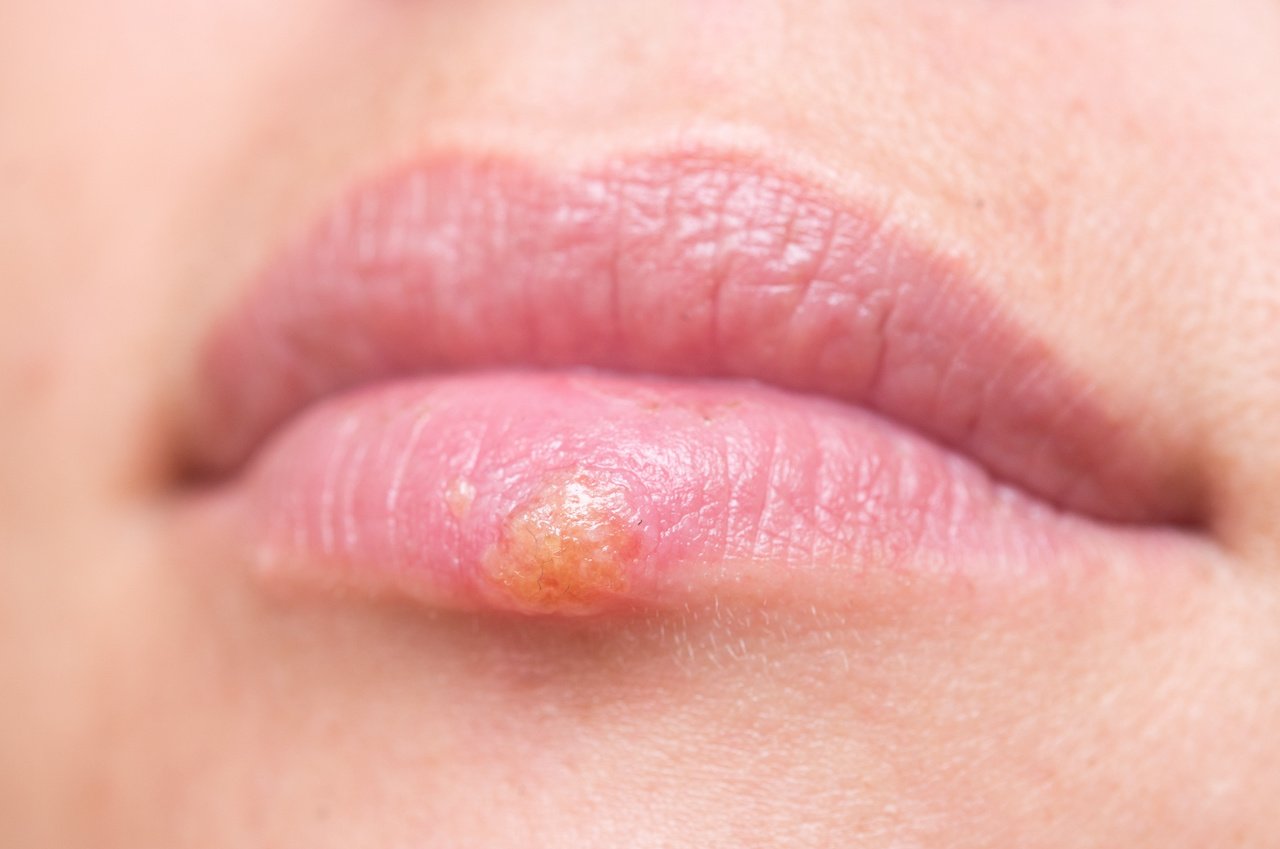
Herpes simplex HP1
Discover expert tips for the acute treatment and long-term prevention of herpes outbreaks, supported by scientific research
If you suffer from recurring herpes or shingles, you’ve probably come across the usual articles suggesting there are only limited options: either Zovirax-type medications to ease outbreaks, or daily preventive drugs.
I’ve personally endured years of severe, often constant outbreaks that affected my joints, nerves, and daily life. Over time, however, I’ve made significant progress and now experience only one or two mild outbreaks a year.
By catching an outbreak early and using natural methods, I’ve reduced their duration to just two to four days, with minimal disruption to my well-being.
I’ve achieved these results without relying on conventional medicine.
This article explores the virus, its ability to evade the immune system, and effective ways to prevent and minimise outbreaks. I’ve brought together insights from extensive research into Western medicine, Traditional Chinese Medicine (TCM), and alternative approaches.
If you’re mainly looking for practical treatment suggestions, you can skip ahead past the theory.
Here you’ll find straightforward methods, including little-known approaches, tips for recognising an outbreak early, and guidance on the emotional factors that can influence the virus’s activity – things you can actively work with.
It’s worth noting that both herpes and shingles are caused by viruses from the herpesviridae family. This means that the same treatment strategies can be applied to both conditions. I explain the reasons for this in more detail below.
Important: This guide is for general information only and does not replace medical care.
Seek urgent medical attention in cases of eye herpes, severe pain, widespread sores,
a first genital outbreak, weakened immune system, or pregnancy.
Herpes in My Body
I’ve been living with the herpes virus since 1996, when I first experienced the itching, burning skin and the tell-tale clusters of small blisters.
To cope with frequent outbreaks, I soon learned to carry a tube of Zovirax everywhere. For the first several years I had outbreaks at least once a month, sometimes even twice, and occasionally back-to-back.
In 2002, looking for something more effective, I saw my GP and began taking aciclovir tablets twice daily. They kept me outbreak-free for three years. Unfortunately, their effect eventually wore off and the outbreaks returned. Frustrated, I stopped taking the tablets and went back to managing outbreaks with Zovirax ointment.
A few years later, I tried the tablets again, but this time they made me dizzy and slightly nauseous, so I abandoned that option for good.
When Do I Get a Herpes Outbreak?
Typically, I’ll get an outbreak when my immune system is run down, after sun exposure, or during times of emotional stress. For example, after falling off my bike and injuring my hip – not seriously, but enough to leave me shaken – I was greeted by an outbreak three days later.
Choosing Nature’s Path: 3 Reasons Why I Prefer Natural Remedies
When it comes to treating herpes, I choose natural remedies for three main reasons:
They are preventative, act quickly, and carry minimal side effects.
I’m highly sensitive to drugs, alcohol, and other substances that affect my body and mind.
I’m analytical by nature and prefer to search for the root causes of imbalances in my body rather than simply suppressing symptoms.
Because of this, I turn to natural healing methods whenever possible. I treat urinary tract infections (UTIs) with my own natural recipe, and I haven’t taken a headache pill in over ten years.
Conventional herpes medicines carry real risks: drug toxicity and resistance to aciclovir, particularly in those with already weakened immune systems (1).
Unveiling the Limitations of Conventional Treatment
Research is ongoing to develop better medicines and vaccines for herpes. Recent breakthroughs have highlighted the mechanisms the virus uses to invade the nervous system and replicate in the skin.
One protein, CTCF, has been identified as a crucial regulator of herpes’s active and dormant phases, with experiments showing that disabling it weakens the virus’s ability to reactivate (2, 3).
However, despite these promising advances, current treatment is still dominated by the familiar “-ciclovir” drugs: aciclovir, valaciclovir, and famciclovir, usually taken as tablets or applied as ointments. For example, Zovirax contains aciclovir, which works to slow the virus, ease pain, and shorten outbreaks.
Nevertheless, conventional approaches face several limitations:
They do not reduce the frequency of outbreaks.
Their effectiveness may decline over time as resistance develops.
They can put strain on organs.
There is a risk of drug toxicity and resistance, as noted above.
These drawbacks highlight the need for alternative approaches and innovative solutions.
How Many People Are Infected with Herpes?
Infection rates vary depending on the study, but estimates range from 60% to 90% of the world’s population. While the exact number is unclear, most of us carry the virus for three main reasons:
The herpes virus is highly contagious and spreads easily.
You can carry the virus without showing symptoms.
Infections can occur without visible outbreaks, meaning you may be infected without realising it.
Why Fighting Viruses Is So Difficult
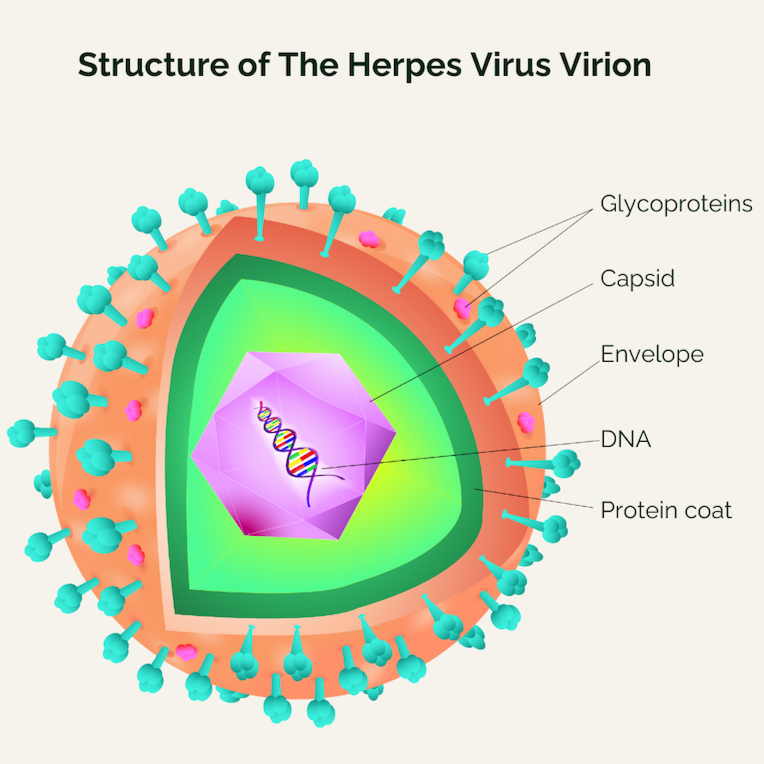
Viruses attack the body’s cells from the inside. You can think of a virus as a tiny box containing its genetic material – essentially, the recipe for how the virus works. The virus’s goal is to get a cell to read that recipe and follow its instructions.
This makes viruses particularly hard to target with medicine, because any drug strong enough to interfere with the virus also risks damaging the body’s own cells. For this reason, in many cases, the body itself must do the hard work of fighting off a viral infection (4).
By contrast, bacteria are easier to attack. Unlike human cells, they have a rigid cell wall, which antibiotics such as penicillin can destroy. Once the wall is broken down, the bacteria cannot survive.
Herpes – a Very Cunning Virus
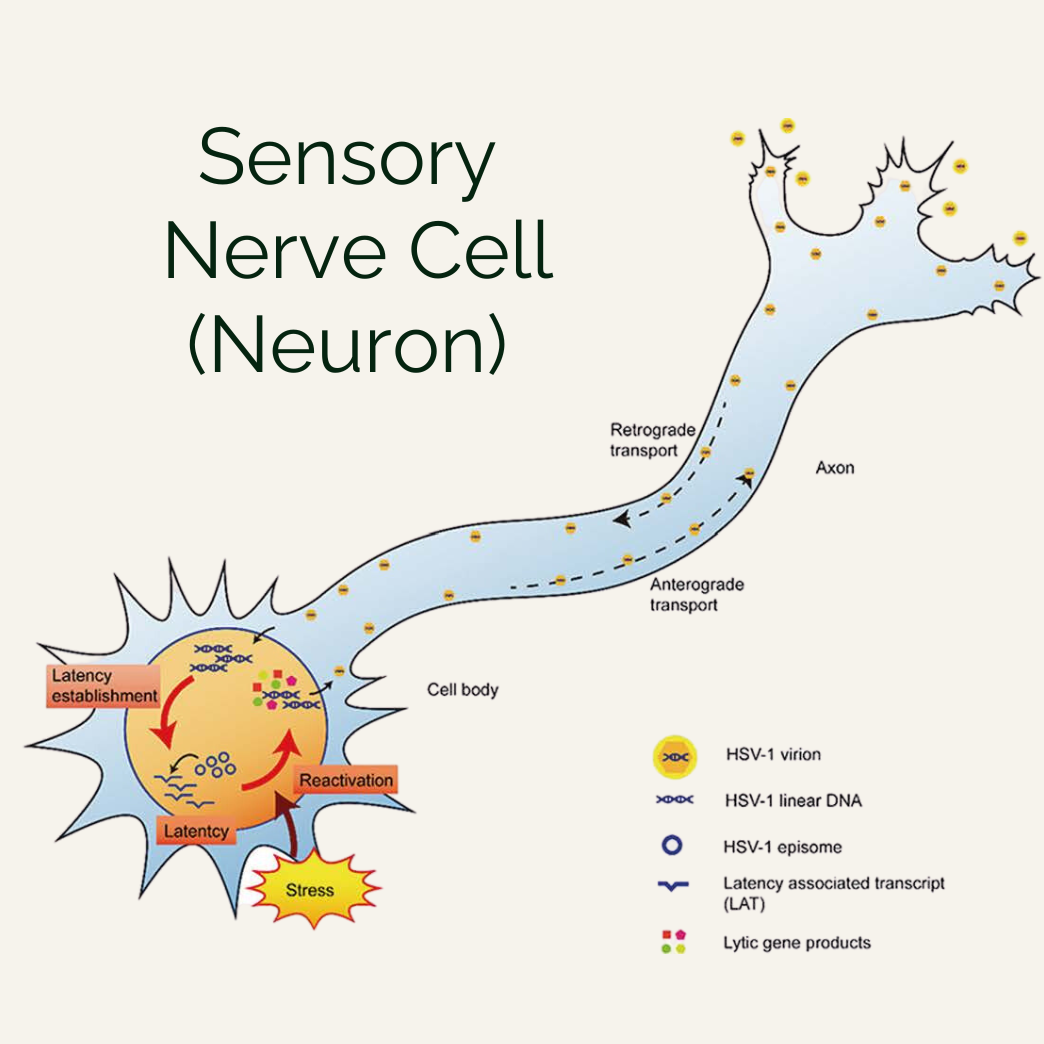
To understand why the immune system struggles against herpes, we need to look at how the virus operates.
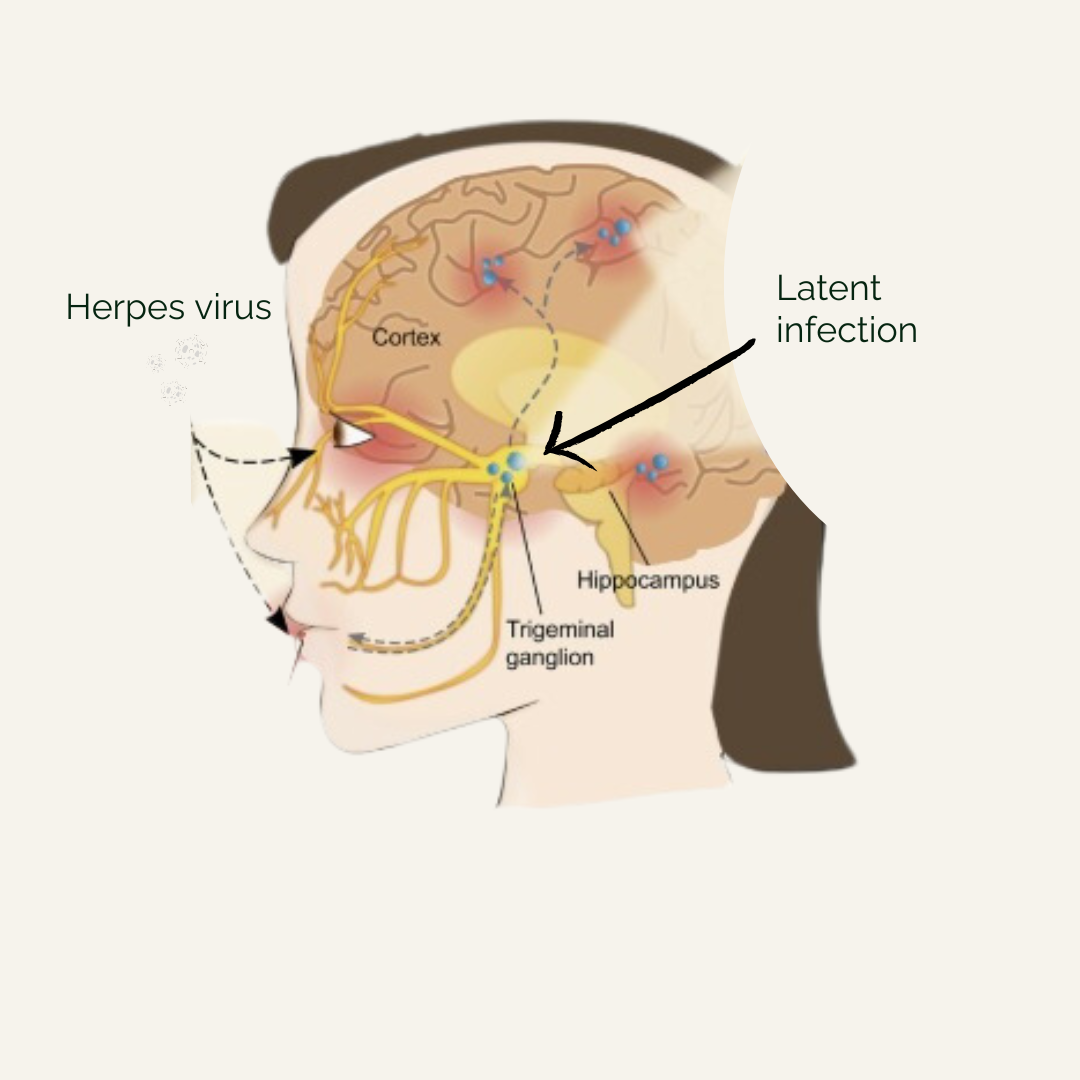
Herpes is a neurotropic virus, which means it can infect nerve tissue and establish a lifelong latent infection there.
After the initial replication in mucosal epithelial cells, the virus can enter sensory nerve cells (neurons) through their nerve endings. The viral genome is then transported into the nucleus of the nerve cell (the soma, or cell body), where it can remain hidden without producing new viral particles. This is how herpes establishes lifelong latency.
Where Does Herpes Lie Dormant
in the Body?
As mentioned, the herpes virus lives in the sensory nervous system.
The sensory nervous system is our "touch, feel, and sense" -system. This system sends information to the central nervous system in the brain every time we sense something either physically on our skin or in our body.
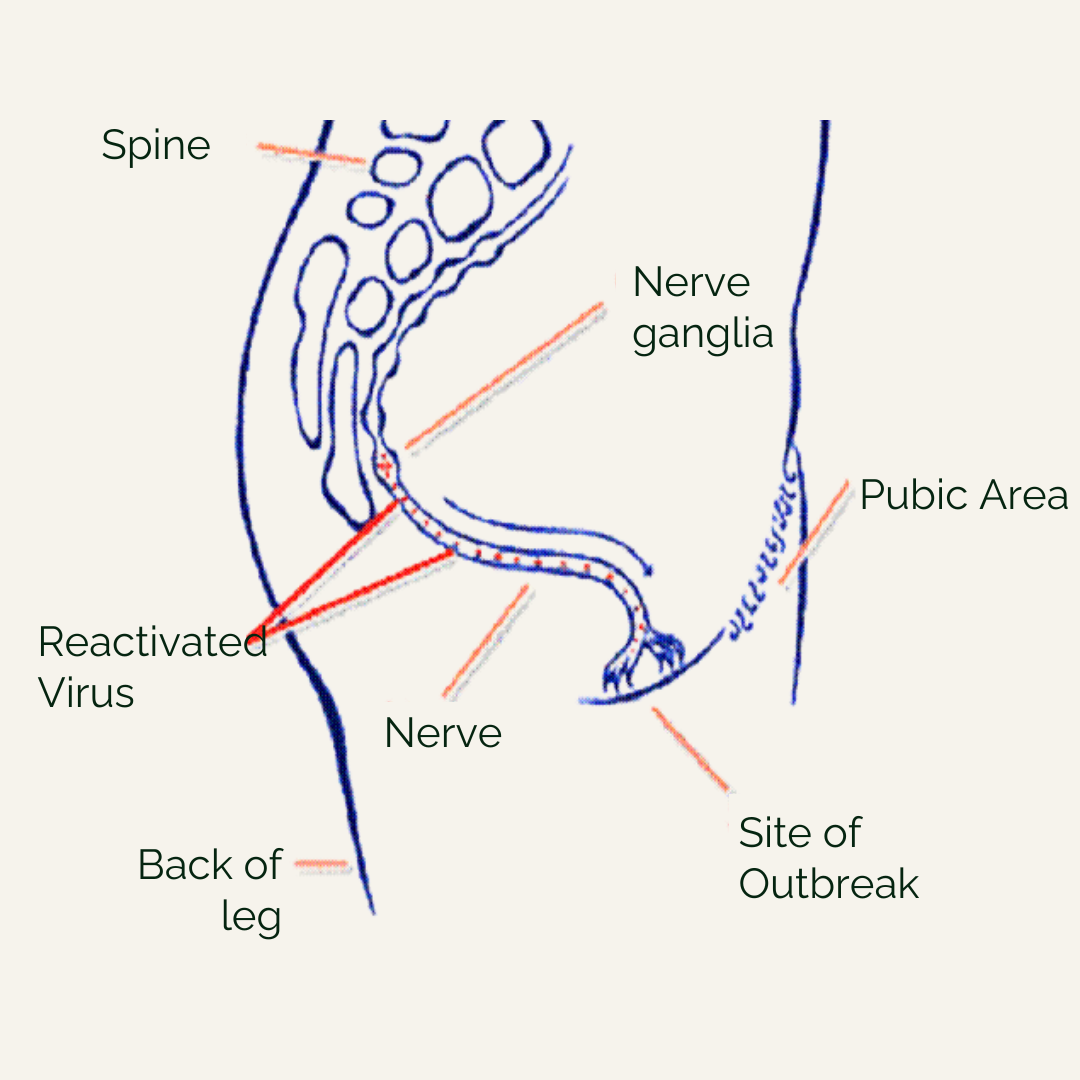
The moment you get the first herpes infection, the virus enters the nerve roots and from there moves into the sensory nerve ganglia in our peripheral nervous system.
The sensory ganglia are nerve nodes where nerves from different parts of the body meet.
The genital herpes virus enters the ganglia around the lumbar region, which connects to the genitals.
Herpes on the lips and eyes reside in the ganglia behind the cheekbone.

Herpes Outbreaks and Stress, Sun, and Cold
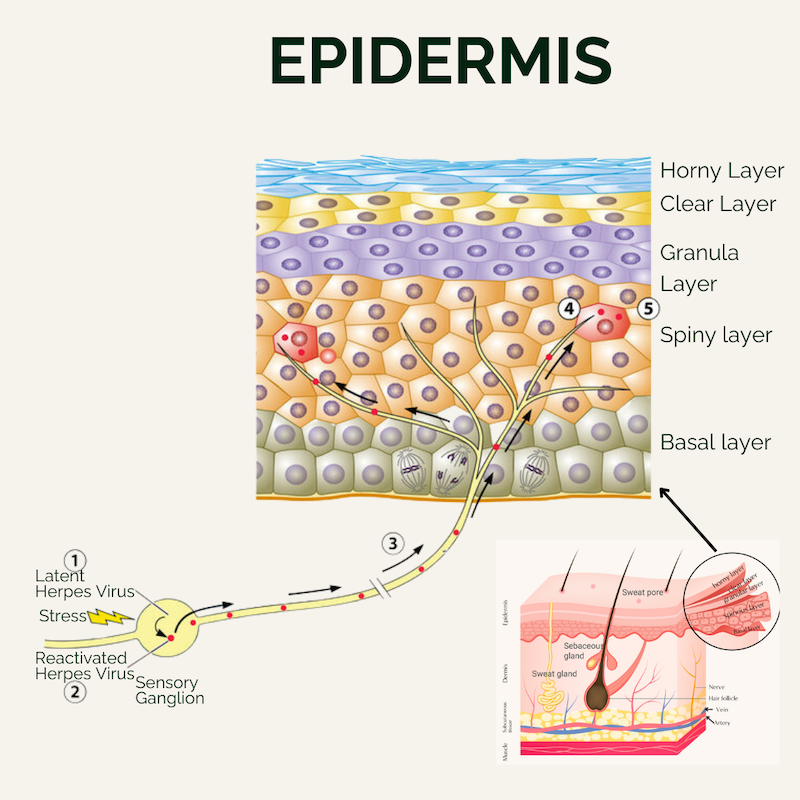
Herpes outbreaks often occur when we’re exposed to extremes of temperature – both heat and cold. This is why many people experience flare-ups while on holiday. Emotional stressors such as anger, sadness, shame, or overwhelm can also trigger outbreaks. This happens because herpes resides in the sensory nervous system, which makes it especially sensitive to these kinds of stimuli.
Latency
The herpes virus has a clever survival strategy built around its ability to switch between two states: a sort of “hibernation on standby” and active infection.
In its dormant state, the virus lies low, symptom-free, but ready to reactivate. This latency allows it to evade detection by the immune system. Periodic reactivations, however, ensure its continued ability to spread from person to person.
The Blisters
The small, fluid-filled blisters are the hallmark of herpes. They can be very painful, and when they rupture, they form sores and scabs that sometimes leave scars.
That said, having herpes doesn’t mean living in a constant cycle of blisters, pain, or permanent damage. Outbreaks are intermittent, and their frequency varies greatly from person to person.
Some people may only ever experience a single outbreak in their lifetime, while others might face episodes every few years, or even several times a year. Outbreak frequency is unique to each individual and is influenced by factors such as immune strength, stress levels, and overall health.
Herpes, Shingles, and Chickenpox – Same Virus Family
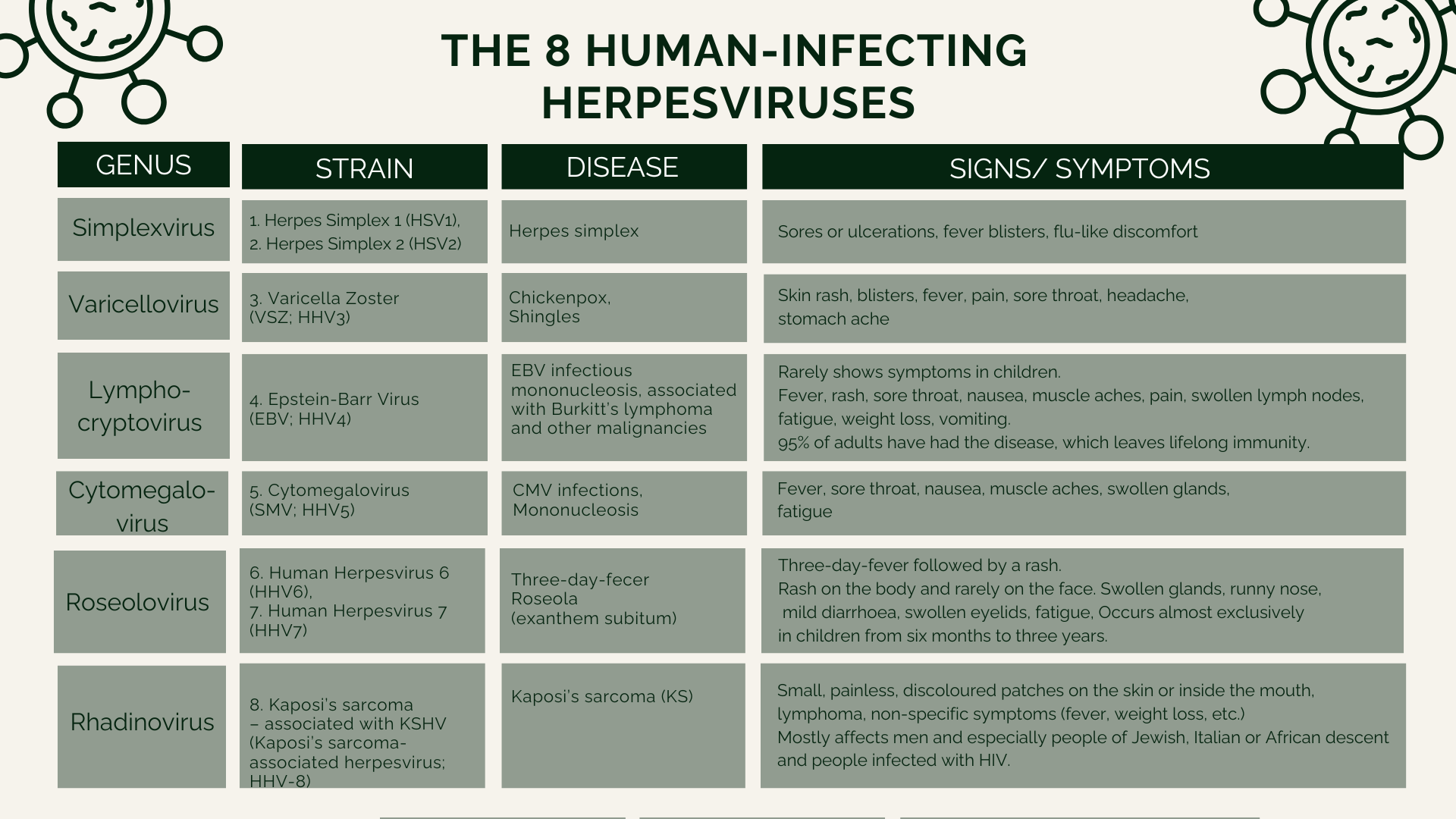
Herpes, shingles, and chickenpox all belong to the herpesviridae family – a group of DNA viruses that infect both humans and certain animals.
Within this family, eight known types of herpes viruses primarily affect humans. The most common are Herpes simplex and Varicella Zoster.
Varicella Zoster causes chickenpox and can later re-emerge as shingles.
Herpes simplex is divided into two types:
HSV-1 usually appears as cold sores around the mouth and lips but can also infect the genital area.
HSV-2 is most often linked to blisters around the genitals and rectum but may also affect the upper thighs and buttocks.
The Importance of Maintaining Herpes in the Latent Phase
Beyond the obvious discomfort and risk of contagion during outbreaks, there are other important reasons to keep the herpes virus dormant for as long as possible. Research has shown links between herpes and several other conditions, including:
Recurrent ocular herpes, which, if untreated, can cause corneal scarring and even blindness (5).
Degenerative nervous system diseases such as Alzheimer’s, where the herpes virus has been implicated (6).
Herpes can also contribute to Meniere's disease, a condition characterized by a tingling sensation, hearing loss, and pressure in the ear (7).
By understanding the potential complications associated with the herpes virus and actively working to keep it dormant, one can minimize the risk of these additional health issues.
4 Factors That Influence Herpes Outbreak Frequency According to Chinese Medicine
Chinese doctors study the herpes virus using conventional scientific methods, but Traditional Chinese Medicine (TCM) takes a more holistic approach. Instead of seeing the body as a collection of separate parts, TCM views it as an interconnected whole.
Treatment and prevention are guided by concepts such as Qi, Yin and Yang, as well as the five elements – fire, wood, wind, water, and earth. Within this framework, TCM recognises four key body systems that strongly influence whether herpes stays dormant or becomes active:
The intrinsic immune system
The nervous system
The thyroid gland
The liver
By supporting and balancing these systems, TCM aims to reduce both the severity and frequency of herpes outbreaks.
1. Strengthening the Intrinsic Immune System: Key to Keeping Herpes Dormant
Let's delve into some technical but fascinating information. We know that the immune system safeguards our bodies against bacteria, viruses, and other harmful pathogens encountered in daily life.
The immune system is normally divided into two parts: the innate and the acquired immune system. However, there's also a lesser-known defense mechanism called the intrinsic immune system (intrinsic meaning "from within").
All three defense systems need to be strong and agile to keep us healthy, but the intrinsic immune system is particularly effective against the herpes virus.
The intrinsic immune system operates as a cell-based antiviral defense mechanism. Unlike the acquired and innate immune systems, the intrinsic system is constantly on high alert for viruses, allowing it to swiftly halt viral infections.
Through intrinsic antiviral immunity, viruses can be stopped instantly, preventing their replication within cells. This ensures that a cell becomes resistant to a particular type of virus.
Research indicates that the intrinsic immune system plays a significant role in nerve cells, which is, as we now know, where the herpes virus resides. Therefore, it is an important starting point for the defence against the herpes virus.
One way to strengthen the intrinsic immune system is by boosting autophagy.
Autophagy is a vital biological process in the body that involves cells cleaning up and reusing deposited substances and damaged components. It allows cells to function optimally, protecting the body from disease and injury.
In the section "5 ways to ..... below, ↓ I'll explore how to enhance autophagy.
2. Maintaining a Balanced Nervous System to Control Herpes Outbreaks
Factors like stress, UV exposure, and mental or physical trauma put the body under stress, leading to an imbalance between free radicals and protective antioxidants. This weakens the immune system and accelerates aging processes. Importantly, stress triggers herpes outbreaks, mainly because the herpes virus resides in the nerve ganglia.
3. The Thyroid Gland has a Hand in Herpes Outbreaks
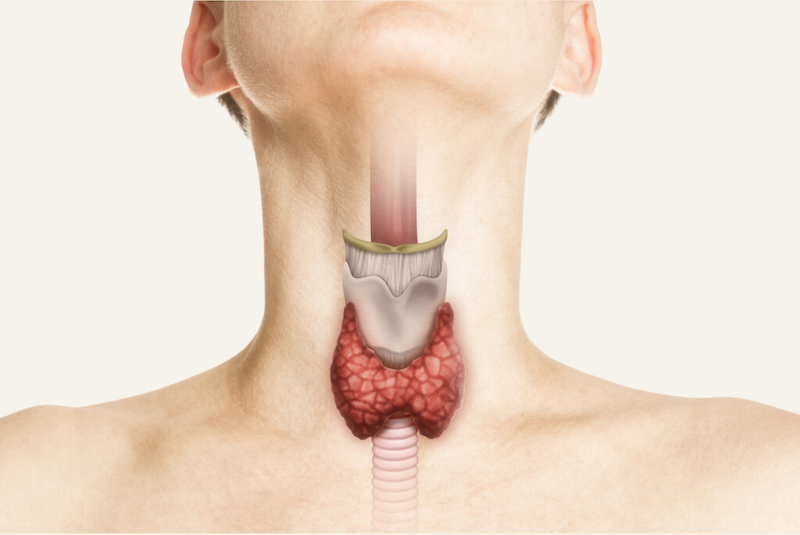
Thyroid Gland
The thyroid is a small butterfly-shaped gland in the neck. It is essential for our overall well-being and controls the metabolic function of all cells in the body.
The thyroid secretes hormones such as T3 (Triiodothyronine) and T4 (thyroxine) that regulate metabolism and important functions in the brain. It massively affects energy levels and the body's ability to maintain a constant temperature. The thyroid hormone helps to remove waste from cells, increase fat breakdown, improve hair growth on the head and eyebrows, and reduce cholesterol levels and body weight.
In addition, the T3 hormone stimulates the nervous system. It provides increased wakefulness, alertness, and responsiveness to external stimuli, plus T3 stimulates the peripheral nervous system, where the herpes virus resides.
The thyroid gland can become imbalanced due to chronic stress, liver congestion, gut issues, or poor diet, either not secreting enough hormones or too many.
This can lead to a decrease or increase in the secretion of T3, a hormone that controls the activity of four genes related to the herpes virus.
When stressed, the thyroid gland secretes less T3, which can cause changes in the activity of some of these four genes:
One of these genes is LAT, which usually helps prevent the virus from becoming active and functions less well in situations with less T3.
Another gene, called ICP0, can also help the virus become more active, and when there is less T3, LAT doesn't work either, and ICP0 can become more active.
There is also a gene called TK, which is vital for the virus to reactivate. Typically, T3 helps suppress the activity of TK. However, with less T3, TK can become more active and help the virus reactivate.
Finally, a receptor called TR1 can help T3 have its normal effect on these genes. When there is less T3, an overexpression of TR1 can help reverse the changes caused by the reduction of T3.
So, in summary, if there is less T3 hormone in the body, it becomes easier for the herpes virus to become active again.
4. The Role of the Liver in Herpes Outbreaks
Tingling, soreness, and burning sensaton, followed by blisters that eventually become fluid and covered with a yellow crust, are signs of a condition in the body known in Traditional Chinese Medicine (TCM) as 'Fire Toxin' and 'Damp Heat.' These terms are purely descriptive, as any viral or bacterial infection in TCM is a form of toxin.
'Fire toxin' because outbreaks trigger a hot, burning sensation and because heat from sunlight, stress (oxygenated state of mind), fever, or spicy food exacerbates the situation.
A wet, infected, fluid-filled blister is an expression of 'Damp Heat.'
The Causes of Frequent Herpes Outbreaks according to Classical TCM
There are two possible causes for the dormant herpes virus to flare up, known as 'Liver Fire' and 'Qi Deficiency.'
Liver fire refers to heat build-up in the liver, which serves as the body's cleansing system. A diet rich in fatty, cholesterol-heavy, hot, grilled, or spicy foods can disrupt the liver's normal functioning. Prolonged stress, frustration, and unresolved anger can also contribute to liver fire. Stressful events, exposure to hot and humid climates, or overconsumption of spicy and fatty foods often trigger herpes outbreaks associated with liver flares. Additionally, excessive alcohol consumption and exposure to other toxins can contribute to the build-up of heat in the liver.
On the other hand, Qi deficiency refers to a weakened life force energy and is closely linked to a compromised immune system. When the immune system is weak, the dormant herpes virus can become active. Qi deficiency can result from congenital weakness, a poor diet over an extended period, or prolonged periods of overwork without sufficient rest. Prolonged stress can also weaken the body's immune system.
Understanding these factors is crucial in managing frequent herpes outbreaks, according to Traditional Chinese Medicine (TCM).
Yin and Yang in TCM
Yin and Yang balance is crucial in TCM.
Yang represents light, heat, energy, activity, and assertiveness, while Yin represents darkness, stillness, cooling, stability, inhibition, matter, blood, and bodily fluids.
Yang is the force that brings these elements to life.
When Yin and Yang are balanced, with energy and matter harmonized, we experience a sense of well-being. However, an imbalance occurs when there is a Yin deficiency or an excess Yang, leading to various issues.
The liver is associated with the element of wood. Yin deficiency in the liver refers to a lack of matter, resulting in excess energy. If this excessive energy persists over time, it can transform into heat. Yin deficiency can lead to the accumulation of heat in the liver - the 'liver fire.'
Understanding the interplay of Yin and Yang in TCM helps to comprehend the importance of maintaining balance for optimal health.
Yin Deficiency in the Liver Linked to the Kidneys
According to TCM, The kidneys are the root source of Yin and Yang energy throughout the body. The kidneys belong to the water element and help regulate the body's fluid metabolism.
When there's a deficiency of Yin in the kidneys, the liver cannot receive proper nourishment as the water element then fails to supplement the wood element. This leads to Yin deficiency in the liver and the subsequent "heat in the Liver."
The adrenal glands, which release stress hormones, are located just above the kidneys. These hormones contribute to stress responses and suppress the immune system.
Short term TCM herpes treatment aims to stop or minimize outbreaks swiftly. Initiating treatment at the first signs of tingling and sensitivity can prevent outbreaks from progressing into full-blown blisters. TCM commonly uses antiviral herbs and drying herbs to address fluid-filled blisters.
Long term treatment aims to significantly reduce the frequency of future outbreaks and, ideally, prevent them altogether. Numerous studies have demonstrated that anti-stress treatments can effectively control the virus. Additionally, stress has been found to prolong the duration of outbreaks and increase the number of infected neurons, leading to more severe and recurrent outbreaks.
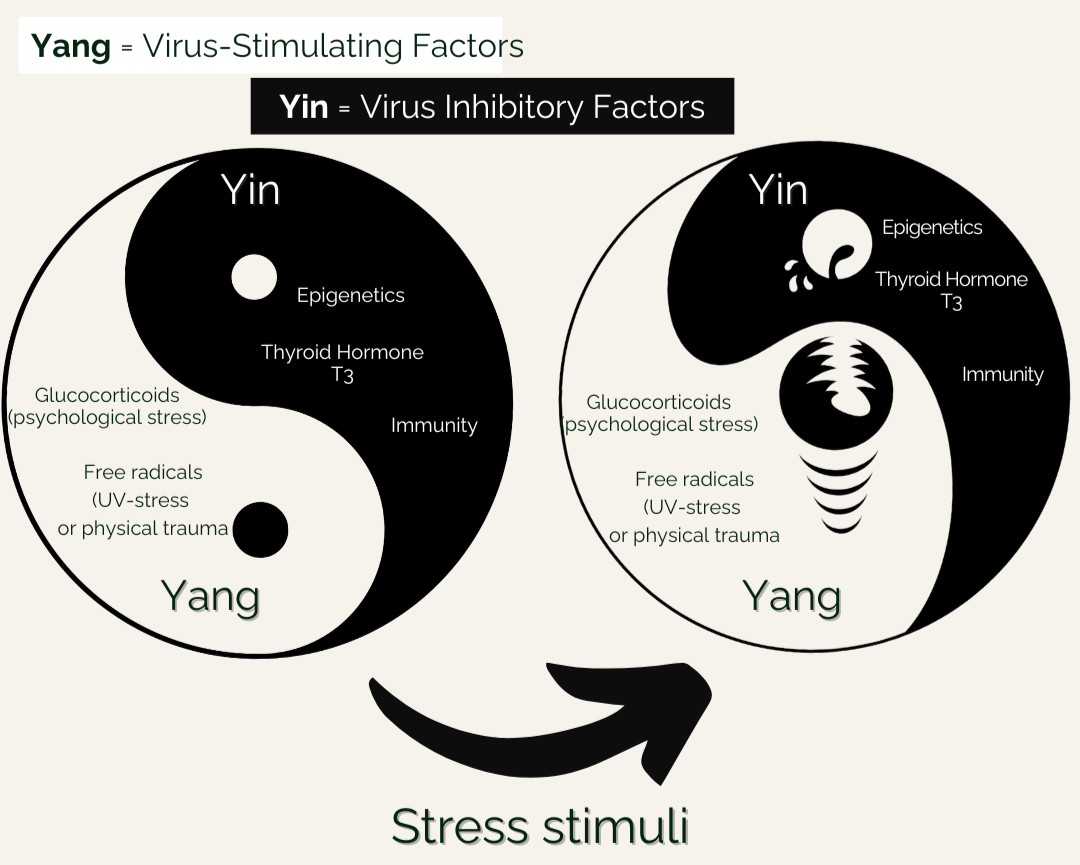
Yin, Yang and how the herpes virus comes out of hibernation according to TCM
5 Ways to Naturally Prevent Future Herpes Outbreaks
1. Keeping the Immune System Strong and Flexible
A robust and resilient immune system is crucial for preventing viruses and infections. When it comes to herpes, strengthening the intrinsic immune system becomes especially important, as mentioned earlier. You can achieve this by enhancing and activating the body's autophagy processes.
Autophagy plays a vital role in maintaining overall health and a well-functioning body while also contributing to strengthening the immune system. Our bodies continuously perform this natural process to ensure optimal functioning.
16 ways to fine-tune your immune system - including the intrinsic immune system

1. Boost Autophagy. You can enhance your body's autophagy processes through several methods. These include engaging in regular intermittent fasting, incorporating interval training into your exercise routine, prioritizing quality sleep, consuming earl grey tea, incorporating anti-inflammatory herbs into your diet, and drinking 1 tablespoon of apple cider vinegar before a meal once a day or 3-4 times a week.

2. Immune-Boosting Herbs. Incorporating these herbs into your routine can help strengthen your immune system. Elderberry, echinacea, oregano, reishi mushrooms, schisandra, propolis, garlic, ginger, thyme, onion, parsley, mint, and rosemary, possess antifungal, antibacterial, and antimicrobial properties that support immune function.

3. Vitamin D. This essential vitamin helps strengthen the immune system by increasing the production of white blood cells, which are crucial for defending the body against infections. You can boost your Vitamin D levels by exposing your skin to midday sun or taking a Vitamin D3 supplement.

4. Zinc. This mineral plays a crucial role in fighting infections and promoting wound healing. You can find zinc in nuts, seeds, meat from grazing cows, eggs, shellfish, beans, and dark chocolate.

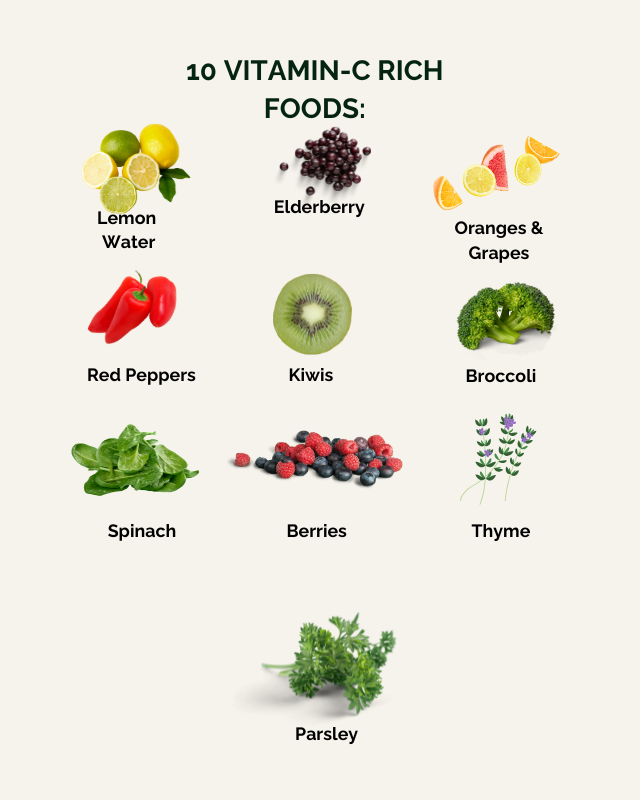
5. Vitamin C. Known for its immune-boosting properties, vitamin C enhances the quantity and efficiency of the 500 billion white blood cells that tirelessly protect the body. Incorporate vitamin C-rich foods into your diet to support your immune system.

6. Stay Hydrated. Adequate hydration is essential for the proper functioning of the immune system. Staying hydrated helps reduce headaches, relieve flu symptoms, and enhance the body's immune response by facilitating the transport of disease-fighting proteins through bodily fluids. Opt for hydrating options like water, kombucha, water kefir, herbal teas, and green tea.

7. Chicken Soup with Bone Broth. Cooking chicken soup on bones and making bone broth can help strengthen the immune system. Slow-cooking bones release amino acids that reduce inflammation in the respiratory tract and promote better digestion.

8. Avoid Stress. Stress can make you more susceptible to infections as the stress hormone corticosteroid inhibits immune responses and reduces the body's ability to fight antigens. Try incorporating daily meditation and breathing exercises, sound healing, nature walks, aromatherapy, yoga, and practicing gratitude to manage and reduce stress levels.

9. Probiotics and Lactic Acid Bacteria. Probiotics and lactic acid bacteria stimulate signals in the gut that enhance the immune system and modulate the mucosal immune system. The mucous membranes produce antibodies, acting as the immune system's ultimate defense mechanism.

10. Sleep Better. Ensure you get a minimum of seven hours of sleep every night. Insufficient sleep can impair the proper functioning of your immune system. Adults who sleep less than six hours a night are more than four times more likely to catch colds than those who sleep more than seven hours.

11. Apple Cider Vinegar. Apple cider vinegar contains beneficial bacteria and prebiotics that can boost your immune system, especially when you're feeling sluggish. Try the recipe for fire cider to incorporate apple cider vinegar into your routine.

12. Exercise Regularly. Engaging in daily physical activity is vital for strengthening the immune system. High levels of physical activity and regular exercise help improve immunosenescence, which refers to the gradual deterioration of the immune system.

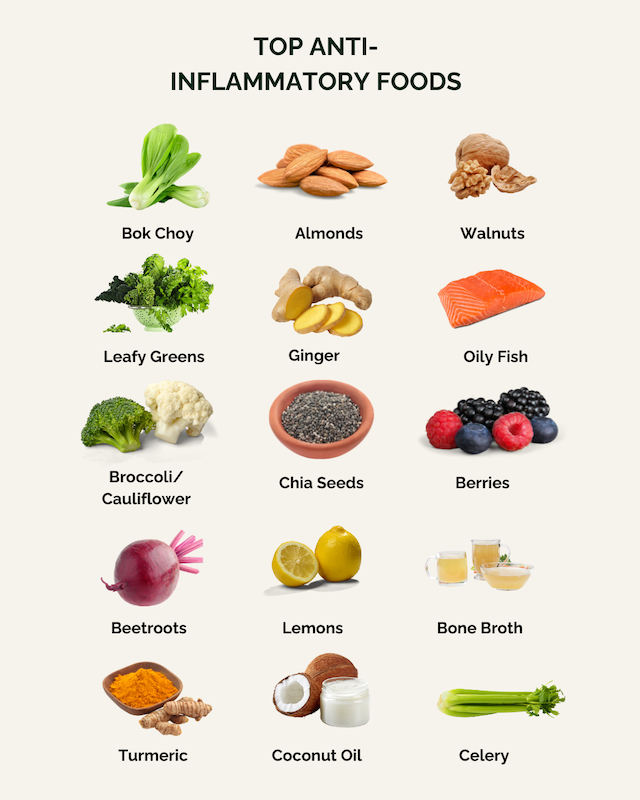
13. Eat Anti-Inflammatory Foods. Incorporate anti-inflammatory foods into your diet, such as turmeric, garlic, fish oil, bone broth, and apple cider vinegar. These foods can help reduce inflammation in the body and support immune function.

14. Eat Fresh Fruits and Vegetables. Make it a habit to consume fresh fruits and vegetables every day. These nutrient-rich foods provide essential vitamins, minerals, and antioxidants that promote a healthy immune system.

15. Acupunture & Biomagnetism. Biomagnetism is a therapy that can help to strengthen the immune system and clear up imbalances. Both acupuncture and bio-magnetism are known for their effectiveness in this area. Personally, I have found biomagnetism treatments to be quite beneficial. This therapy works by helping the body to eliminate harmful pathogens such as viruses, fungi, and bacteria. It is also effective in neutralizing the pH levels in the body and getting rid of hydrogen ions and free radicals. One of the best things about biomagnetism is that it's a very gentle treatment that allows the body to balance itself. There are no negative side effects, although you may feel a bit tired for a few days after a treatment.

16. What to Avoid. Limit your intake of refined sugar and alcohol, as that can suppress immune function. Exercise caution with the potent immune-boosting herbs mentioned earlier, and avoid prolonged use. It's advisable to involve your doctor or nutritionist for guidance.
2. Reducing Mental Stress – 9 Simple Ways to Calm Your Nerves
1. Pause Midday
Hit reset with a 15–20 minute break. No news, no social media, no podcasts – just pure downtime. A short pause can recharge your whole afternoon.
2. Clear Your Head
Daily meditation or mindfulness (just 10 minutes!) helps quiet racing thoughts and lower stress.
3. Sleep Smarter
Good sleep is the best stress-buster. Stick to a routine, ditch screens and caffeine in the evening, and let your body restore itself overnight.
4. Move Your Body
Exercise lifts mood and reduces tension – but don’t overdo it. Mix walking, yoga, and light strength training. Aim for 20–30 minutes most days.
5. Top Up Magnesium
This mineral is your relaxation ally. Try a supplement, a warm Epsom salt bath, or a soothing magnesium foot soak before bed.
6. Breathe Better
Stress makes us breathe shallowly. Slow, deep breathing switches your body into calm mode. Try the 4–7–8 method: inhale for 4, hold for 7, exhale for 8. Ten rounds work wonders.
7. Hot–Cold Therapy
End your shower with a blast of cold, then switch back to hot, and finish with cold again. This boosts circulation, strengthens immunity, and floods you with happy hormones.
8. Sip Stress Away
Nettle tea nourishes and calms; dandelion tea supports the liver and clears out toxins. A simple daily ritual that doubles as self-care.
9. Make Space for Joy
Therapy, massage, sunshine, laughter, or even a dose of vitamin B – whatever helps you relax and feel good. Focus on what you can change, and let the rest go.
✨ Think of these as small daily rituals. Stack a few together, and you’ll train your body and mind to handle stress with more calm and resilience.
3. Regaining Balance After UV Stress and Physical Trauma
UV exposure and physical trauma both place stress on the body. They create an imbalance between harmful free radicals and protective antioxidants, which weakens the immune system and speeds up the ageing process. As mentioned earlier, stress is also a common trigger for herpes outbreaks.
Fortunately, both antioxidants and the skin’s natural melanin help protect against free radical damage.
It’s no coincidence that many people experience herpes flare-ups during sunny holidays: heat and sunlight put added pressure on the body. Still, nature has given us some built-in ways to cope.
1. Indulge in the Ocean’s Delicacies
Even though harmful UV rays can penetrate the water’s surface, marine life is remarkably well protected. Seaweed and algae produce powerful sun-shielding substances, which are passed along the food chain to fish and corals.
These substances stimulate the production of mycosporine-like amino acids (MAAs) in marine organisms. MAAs act as natural sunscreens, absorbing UVA and some UVB rays while offering strong antioxidant protection (8).
Although MAAs aren’t available as supplements, you can still benefit by including foods such as chlorella, spirulina, algae, and fish in your diet (9).
2. Make Use of Your Skin’s Built-In Protection
Our skin, hair, and eyes all contain melanin – the pigment that gives them colour. When exposed to ultraviolet light, specialised skin cells (melanocytes) produce more melanin. This darkens the skin and reduces the amount of UV radiation that penetrates it.
Melanin:
Absorbs UV rays and reduces the risk of sunburn, premature ageing, and skin cancer
Acts as an antioxidant, protecting against free radical damage
In short, while the sun can sometimes provoke a herpes outbreak, melanin itself offers important protection.
Tips for safe sun exposure:
In spring or after winter, build up melanin gradually. Avoid sunburn.
Fair-skinned types may only need 10–20 minutes of midday sun to start with, while those with darker complexions can usually tolerate more.
Trust your skin: when it turns slightly pink, it’s time to move into the shade or cover up.
It takes around 3–7 days for the skin to build visible colour after a UVB-rich midday sun session.
After an Accident or Physical Trauma
If you’ve had a fall, injury, or other trauma, your body and nervous system will remember it – even if the damage seems minor. Giving yourself care and recovery time afterwards is essential.
To support your nervous system:
Talk about it with someone you trust.
Rest and take it easy in the days that follow.
Use calming practices such as meditation, breathing exercises, or gentle movement.
Remind yourself: you came through it, and your body is healing.
4. Strengthen Your Thyroid
A well-balanced thyroid does more than just help keep herpes dormant. It also supports metabolism, heart function, digestion, energy levels, appetite, sleep, and mood – even your hair, skin, and nails benefit from a healthy thyroid.
9 Ways to Boost Thyroid Hormone Production
1. Iodine
Iodine is essential for thyroid hormone production. Good sources include seafood (such as shrimp and crayfish), seaweed, kelp, nori, and iodised salt.
2. Selenium
Selenium plays a key role in converting T4 into its active form, T3. Include selenium-rich foods daily, such as Brazil nuts, walnuts, mushrooms, avocados, fish, and whole grains.
3. Zinc
Zinc also supports the conversion of T4 to T3. Excellent sources include grass-fed beef, lamb, chicken, fish, seafood, cashews, seeds, lentils, tofu, and cocoa powder.
4. Tyrosine
This amino acid is a building block for thyroid hormones. You’ll find it in cheese, meat, eggs, soybeans, white beans, oats, wild rice, bananas, almonds, cherries, and avocados.
5. Healthy Fats
Essential fats improve the body’s ability to absorb thyroid hormones. Add extra virgin olive oil, raw unsalted nuts and seeds, avocados, and oily fish to your meals.
6. Liver Support
The liver plays a role in converting thyroid hormones and boosting metabolism. Support it with foods like garlic, onions, beets, eggs, leeks, apples, turmeric, and cinnamon. Herbal teas such as dandelion and milk thistle are also beneficial.
7. Exercise
Daily movement stimulates the thyroid and increases metabolism. Aim for a mix of cardio, strength, and gentle activity.
8. Stress Management
High stress raises cortisol, which blocks the conversion of T4 to T3. Lowering stress through relaxation, mindfulness, or gentle exercise can help keep thyroid hormones balanced.
9. Cold Therapy
Cold exposure stimulates adrenal hormones, which in turn support thyroid function. Try ending a shower with a splash of cold water on your middle and lower back. You can also give the thyroid area itself a quick cool rinse after a hot shower or bath.
✨ Small daily habits can make a big difference. By nourishing your thyroid, you’ll not only strengthen your body’s natural defences but also boost your energy, mood, and resilience.
5. Use Diet to Bolster the Immune System, Thyroid, and Adrenals
In addition to the foods already mentioned, making targeted dietary choices can give your immune system, thyroid, and adrenal glands an extra boost. The right foods not only strengthen immunity but also support liver health and calm the nervous system – all of which help reduce the risk of herpes outbreaks.

Eat:
Vegetables
Plenty of leafy greens and cruciferous vegetables: cabbage, broccoli, beetroot, watercress, parsley, bean sprouts, avocado, and brightly coloured yellow and orange vegetables.
Fruits
Apricots, grapes, dates, figs, cherries, and raspberries.
Antioxidant-Rich Foods
Berries of all kinds, pecans, beans, spinach, kale, beetroot, and red cabbage.
Healthy Fats
Good-quality oils and natural fats such as genuine extra virgin olive oil, unrefined virgin coconut oil, avocado oil, ghee, butter, and fish oil.

Avoid:
Sugar and sugary foods – sweets, fizzy drinks, white bread, cakes, and the like. High blood sugar can damage the hippocampus and amygdala – key parts of the brain’s limbic system that influence brainwaves. A blood-sugar-stabilising diet supports both brain health and balanced brain activity.
Processed foods – including ready meals, artificial additives, and other inflammatory ingredients.
Deep-fried foods – which place extra stress on the body and promote inflammation.
Inflammatory fats – such as corn oil, canola oil, grapeseed oil, sunflower oil, margarine, low-fat spreads, and most shop-bought dressings.
Gluten and cow’s milk products – where possible, minimise or avoid them. Butter from grass-fed cows, however, is fine.
3 Natural Steps to Quickly Stop a Herpes Outbreak
1. Treat Outbreaks as Early as Possible
The sooner you act, the shorter the outbreak. Learn to recognise the early warning signs – the stage before blisters appear – because this is when treatment can make the biggest difference.
6 common warning signs of an outbreak:
Hypersensitivity of the skin along nerve pathways, sometimes with a mild burning sensation.
Tingling in the skin – often the first noticeable sign.
Soreness in the lower back with stiffness or tension (common with genital herpes).
Slightly blurred vision, especially after screen use.
Redness in the area where you usually break out.
A subtle “gut feeling” or thought that an outbreak is coming – sometimes before any physical signs.
Other possible symptoms include:
Discomfort or swelling in the genital area
Painful urination caused by sores
Itching or nerve pain
Swollen lymph nodes or glands (pelvic, neck, underarms)
Fatigue, headaches, or general body aches
Being alert to these signals allows you to start treatment early and often reduce the severity or even prevent the outbreak from fully developing.
2. Stop Herpes Blisters Naturally
The remedies I recommend share three important qualities:
They shorten outbreaks.
They relieve pain and discomfort.
They use natural ingredients without harmful side effects.
Essential Oils
Certain essential oils can help block blister formation, reduce outbreak duration, and ease pain. They also strengthen the immune system and calm the nerves.
Blend them with soothing plant oils such as tamanu oil, olive oil, or coconut oil for targeted relief. Apply directly to the affected area 2–4 times daily.
Effective essential oils:
Effective essential oils
Ravintsara soothing, antiviral, immune-boosting. Use sparingly as it may increase skin sensitivity in some people.
Tea Tree oil, well-studied; antibacterial, antifungal, antiviral, and a strong immune stimulant.
Peppermint oil is another great oil to keep on hand in your medicine cabinet.
Analgesic, antibacterial, antiviral. Great for reducing itching and pain quickly, and works well in combination with other oils.
Safety Tips for Essential Oils
Avoid eyes, contact lenses, nostrils, and sensitive skin areas.
Do not use on the face or chest of infants or toddlers.
Do not swallow essential oils. If accidentally ingested, rinse your mouth with water and spit it out. (Exception: peppermint oil can be taken orally in very small amounts – 1–2 drops only.)
Always buy 100% pure oils – check labels carefully.
Effective Oil Combinations
Some of the best plant oils for treating herpes blister include Tamanu oil and coconut oil.
Tamanu oil Known for its healing, protective, and pain-relieving effects. Also stimulates the immune system and speeds recovery. Works especially well mixed with ravintsara (around 70% tamanu to 30% ravintsara).
Coconut oil Used for centuries as a natural remedy. Rich in antiviral, antifungal, and antibacterial compounds such as lauric acid and monolaurin. Helps reduce inflammation, ease swelling, and support healing. Cold-pressed virgin coconut oil is best.
👉 First outbreaks may last up to two weeks, while later ones often last about a week. Coconut oil and other treatments can typically shorten this by 1–3 days.
For optimal results, it is recommended to choose cold-pressed virgin coconut oil.
Keep Natural Remedies on Hand
I always keep natural ointments and serums ready in my medicine cabinet. These blends of essential and plant oils can work wonders against blisters, cutting down both pain and outbreak duration.
Herpes Ointment Recipe
Equipment:
Glass jar
Heatproof measuring cup or mini saucepan
Ingredients:
2 tbsp. Coconut oil
1/2 - 1 tsp Candelilla wax (vegan) or Beeswax (optional)
8 drops Tea Tree oil
8 drops Peppermint oil
Instructions:
Clean equipment and jar.
Melt coconut oil and wax in a saucepan.
Keep a close eye and remove from the heat as soon as the wax has melted.
Mix in the essential oils.
Pour into a small glass jar.
Cool for an hour in fridge.
To use, simply apply the ointment to the herpes outbreak 2-4 times daily until the blisters are gone.
Herpes Treatment Serum
Equipment:
Ingredients:
1/2 dl of Tamanu oil
20-30 drops of Ravintsara oil
Instructions:
Make sure your equipment and packaging are clean.
Mix the oils together in the small bottle with a pipette.
Give the bottle a few turns to distribute the oils evenly.
Use the pipette to drip the oil on the herpes outbreak
2-4 times a day until the blisters are gone.
Herpes Ointment Recipe
Herpes Treatment Serum
Heat Pen

Herpotherm is a heating pad that claims to prevent herpes blisters if used at the first signs. It works by applying heat of 124°F / 51°C to the affected area, which has a positive effect on the secretion of histamine and the body's enzymes, thus reducing the inflammatory reaction.
The best part is that it's completely chemical-free. I've read good reviews about it on Trustpilot, although I haven't tried it myself yet.
The application process is straightforward:
Simply place the pin with the ceramic contact surface on the affected skin area and press it lightly against the skin.
Then, activate the push button and wait for the ceramic contact surface to heat up to approx. 124°F / 51°C, which should take around 3 seconds.
Once this temperature is reached, an LED and an acoustic signal light up, indicating that the application has started.
3. Cool Down with Antiviral Herbal Teas
Consider consuming cooling herbal teas as a supplement to your treatment during a herpes outbreak.
These herbs have antiviral properties and can be added to your favorite tea, water bottle, or incorporated into cooking.
Dandelion leaves (dried) support liver and kidney detoxification processes and are rich in antioxidants.
Mint tea has antiviral, calming, and analgesic properties.
Rosemary. Research has demonstrated that rosemary extract possesses antiviral properties against both HSV-1 and HSV-2, as well as antioxidant capabilities (10). This combination makes it an effective tool in preventing herpes outbreaks. Consume the herbal tea as a preventative measure and apply it to outbreaks topically.
Lemon balm is another herb with calming properties that can help relieve stress and anxiety, and can be used to treat herpes outbreaks by dipping a cotton ball in lemon balm herb tea and applying it as a compress. Lemongrass is also an effective herbal remedy for herpes, containing compounds that help prevent the herpes virus from multiplying in the body. Simply add 1 tablespoon of lemongrass to a glass of water to make lemongrass tea.
Hibiscus tea is known for its anti-inflammatory properties and high antioxidant content, which can provide relief during herpes outbreaks. The tea is also recognized for its antiviral properties that help prevent the herpes virus from spreading, thus reducing the time needed for healing the blisters. Moreover, hibiscus tea is beneficial for strengthening the immune system, which can help decrease the frequency and severity of outbreaks.
Drinking these herbal teas preventively or dabbing them on outbreaks can be a great weapon in keeping herpes outbreaks at bay.
Recipe
Here's a delightful recipe for a fresh mint tea with ginger and honey that serves two.
Ingredients:
1 lemon, organic
1 lump of fresh ginger
1 handful of fresh mint
2-3 teaspoons of honey
Boiling hot water.
Instructions:
Rinse the ingredients.
Peel the ginger and chop it into smaller pieces.
Cut the lemon into slices.
Divide all the ingredients into two heat-proof glasses.
Pour boiling water over the tea and let it steep for a few minutes.
Enjoy the tea while it is still hot and season to taste with honey.
Hibiscus Tea:
Prepare this delicious tea using dried hibiscus flowers and enjoy it either as a hot or iced tea.
Ingredients:
1 deciliter dried hibiscus flowers
1.5 liters water
1/2 deciliter honey (adjust to taste, better to start with too little than too much)
3 tbsp freshly squeezed lime juice
Instructions:
In a large pot, boil the hibiscus flowers and water.
Once the water begins to boil, turn off the heat and cover the pot with a lid.
You can add other herbs such as basil, lemongrass, or lemon peel.
Allow the tea to steep for 15-20 minutes.
Add the honey and lime juice and stir until dissolved.
Filter the herbs.
Serve as a hot beverage or refrigerate for a few hours to make a refreshing iced tea. Enjoy!
Quick Action Plan for a Herpes Outbreak
At the very first sign:
Tingling, burning, redness, or a “gut feeling” that an outbreak is coming.
Step 1 – Act fast
Apply a drop of ravintsara, tea tree, or peppermint oil diluted in tamanu oil or coconut oil.
Repeat 2–4 times daily on the affected area.
Step 2 – Support your body
Rest and reduce stress (deep breathing, meditation, or a short nap).
Drink plenty of water and herbal teas (e.g. nettle or dandelion).
Avoid sugar, processed foods, and alcohol.
Step 3 – Stay consistent
Keep applying oils until symptoms fade.
Use soothing plant oils like coconut or tamanu to reduce pain and speed healing.
Expect recovery to be 1–3 days faster than without treatment.
✨ Tip: Keep your oils and ointments ready in your bathroom or travel bag so you can act the moment symptoms start.
You may also enjoy these posts…





Disclaimer:
The information provided on this website is intended for informational purposes only and should not be considered as medical advice. The statements made in this article have not been evaluated by The Danish Health Authority. The products mentioned and any information published in this article are not intended to diagnose, treat, cure, or prevent any disease. It is important to consult with a qualified healthcare professional for a face-to-face consultation regarding your specific medical condition. The content of this website reflects the opinions of Hanne Robinson and is not a substitute for professional medical or other healthcare advice. By accessing and using this website, you agree to use the information provided solely for personal informational purposes and not as a substitute for medical or professional advice.